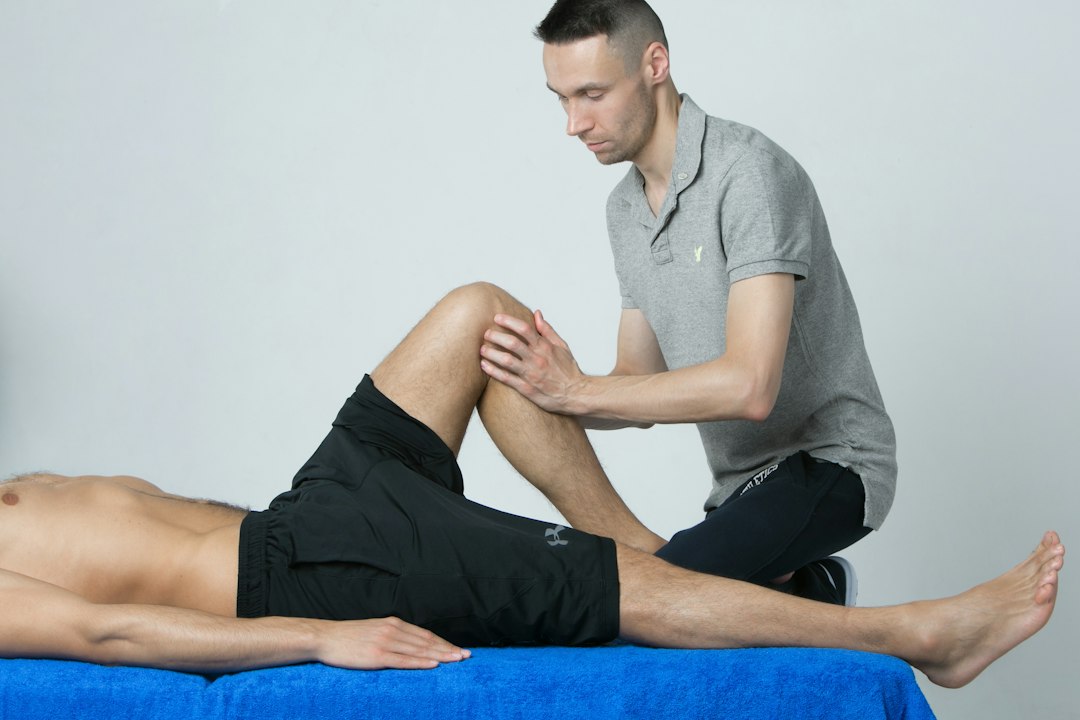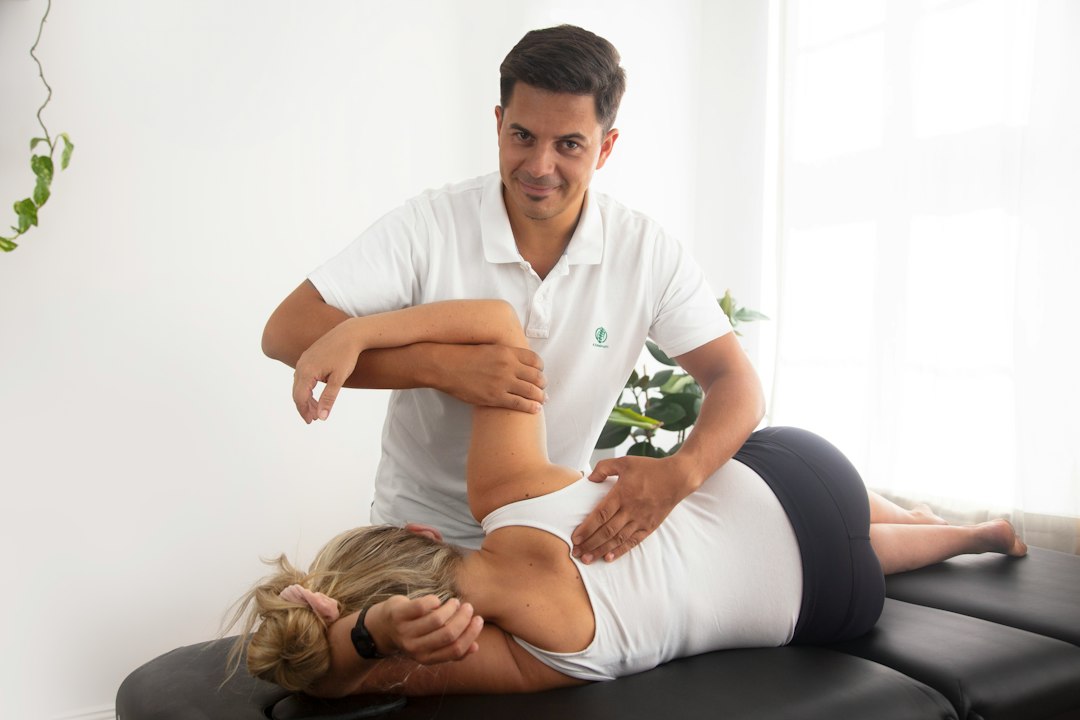

Assessment is not simply a conversation followed by a massage. A clinician may compare how both sides move, test muscle control and check whether a joint is stiff, irritable or overloaded. They will also ask about work, sport, sleep and previous injuries because these details affect recovery. One important concept is referred pain, where a problem in one area is felt somewhere else. For example, irritation around the neck can contribute to arm symptoms, while hip dysfunction may alter the way the knee feels. That does not prove a diagnosis by itself, but it stops treatment becoming guesswork.
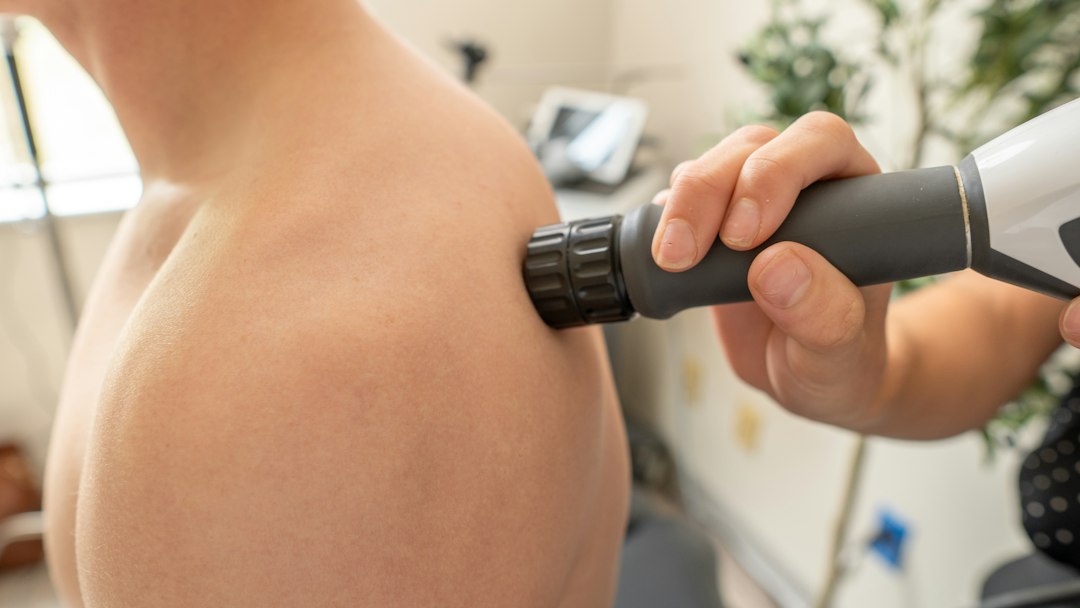
Treatment should match the finding rather than follow a fashionable template. Manual therapy can help a stiff joint or sensitive muscle move more comfortably, yet it is rarely the whole answer. Exercise is usually needed to build capacity. Strengthening means gradually asking muscles to produce more force, while mobility work aims to improve the available range of movement. A person with tennis elbow, for instance, may need carefully dosed forearm loading rather than complete rest. The right amount matters: too little may not change capacity, while too much can keep an irritable area flared.
Load management is another technical idea worth understanding. It means balancing what your body is currently able to tolerate with the demands placed on it. A warehouse worker with an aggravated back may not need to stop all activity, but could need temporary changes to lifting frequency, posture and breaks. A recreational runner with Achilles pain might reduce hills and speed before rebuilding them gradually. This is not avoiding movement indefinitely. It is graded exposure, a planned increase in demanding activity that gives tissues and the nervous system time to adapt without repeatedly provoking a major setback.
Good physiotherapy also considers the nervous system. Pain is real, but it does not always measure tissue damage precisely. After an injury, the brain can become protective, making a movement feel threatening even when the tissue is healing. Education, calm breathing, controlled movement and progressive exercise can reduce that protective response. Proprioception is another useful term: it describes the body’s sense of position and movement. After an ankle sprain, balance exercises can help restore this sense, which may improve confidence on uneven ground. The aim is not to dismiss pain, but to interpret it more intelligently.
A clear plan should include milestones that make sense for your life. Returning to gardening may involve tolerating kneeling and repeated bending; returning to football may require sprinting, changing direction and landing securely. Each scenario calls for different tests of readiness. Physiotherapists can also advise on pacing, workplace adjustments and home exercises, although the plan should remain realistic enough to follow. Ten focused minutes completed consistently will usually be more useful than an elaborate routine abandoned after three days. Progress can be uneven, so review matters when symptoms change or an exercise no longer feels appropriate.
Choosing a clinic in Hawthorn is partly about convenience, but convenience should support good communication rather than replace it. Ask what the assessment will cover, how progress will be monitored and what you can do between appointments. Be cautious of promises that imply one technique fixes every condition. A sensible clinician will explain uncertainty, identify warning signs that need medical review and adjust treatment when the response is different from expected. Whether you are managing a new sporting injury, recurring neck pain or stiffness linked to desk work, a local physiotherapy clinic should help you move with more understanding and control.