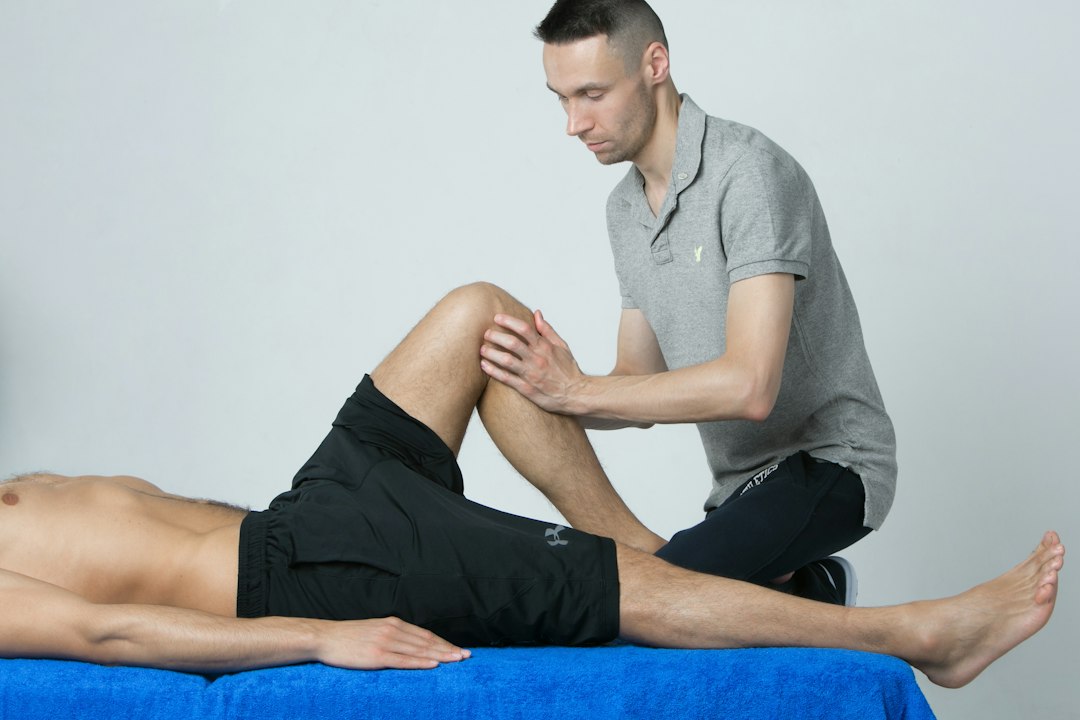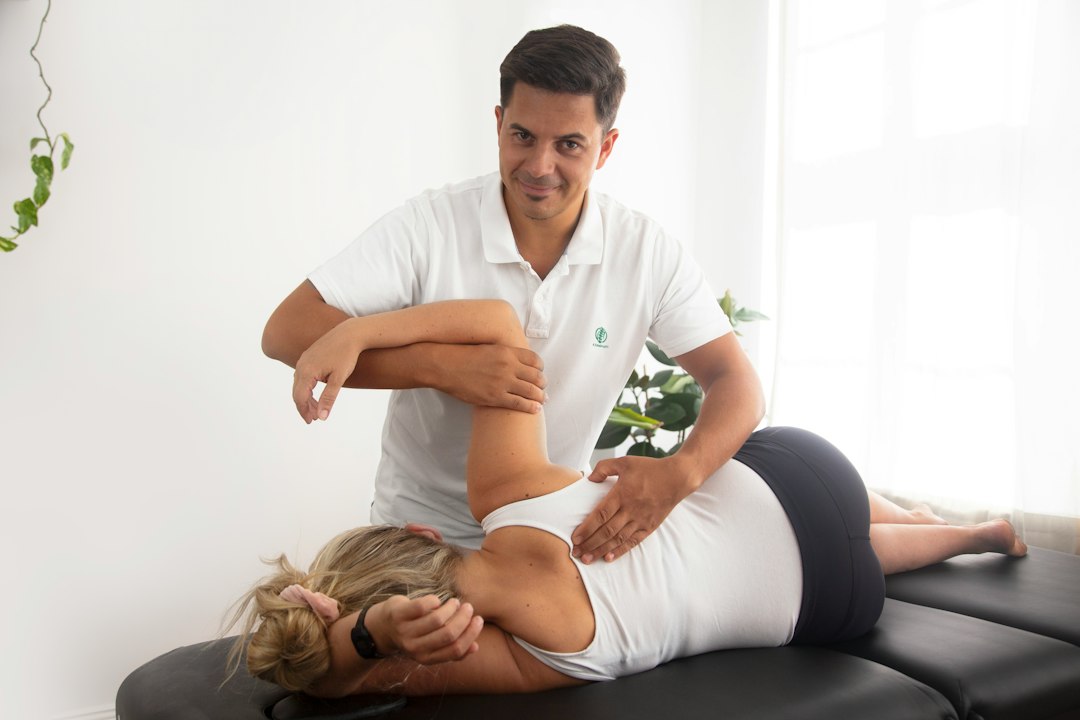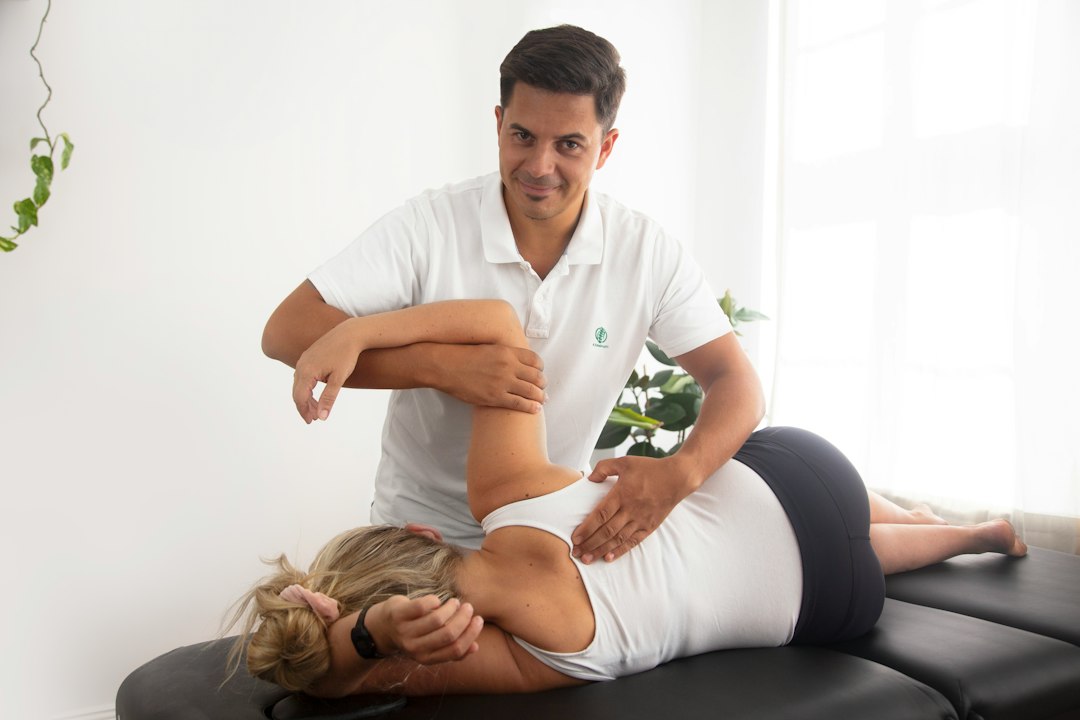

A first appointment may include questions about when symptoms began, what aggravates them, and how long they take to settle. The physiotherapist may watch walking, rising from a chair, using a step or changing direction. They can compare movement on both sides, assess strength in relevant muscle groups, and check how the knee responds to gentle loading. None of these observations should be treated as a verdict on the person. They help identify a starting point for rehabilitation and show which movements need to be modified, practised or built up gradually.
A useful plan connects exercises with a real task. If stairs are the priority, treatment might include controlled step-ups, strengthening for the hips and thighs, and practice with a handrail while the person develops confidence. If shopping is the problem, the plan may consider walking distance, carrying a bag, standing at a checkout and taking planned breaks. Exercise selection should reflect current capacity, available equipment and personal preference. A movement that can be performed consistently at home is often more useful than an impressive exercise that does not fit the person’s week.
Pain deserves attention without becoming the only measure of progress. Some exercises may feel effortful or mildly uncomfortable, while a sharp increase in symptoms or a flare that lingers may signal that the load needs adjusting. A practitioner can explain what to monitor and agree on when to reduce repetitions, slow the pace or pause an activity. Writing a brief note after exercise can prevent guesswork: record the movement, number of repetitions, symptom response later that day and how the knee feels the next morning. That small habit gives both patient and physiotherapist clearer information at the next review.
Weight may be discussed if it is relevant to a person’s health goals, but it should not replace an assessment of pain, strength, mobility or environment. A person can need help with a painful knee at any body size. They may also have tried dieting, exercise programs or advice that made them feel blamed rather than supported. A respectful consultation asks what has already been attempted and what made it difficult to continue. It also avoids assuming that every person wants weight change as a treatment goal. The immediate aim may be reaching the bus stop, kneeling in the garden or completing a work shift with fewer interruptions.
Practical details can make treatment more accessible. The clinic may need to know whether getting onto a plinth is uncomfortable, whether a chair with arms is easier for transfers, and whether home exercises will be done in a bedroom, living room or workplace. Clothing should allow movement without making the person self-conscious. It is also sensible to check any referral letter, scan report or medication list the patient brings, while recognising that an image alone does not describe how the knee behaves during a normal day. Clear notes about agreed goals and the next review help prevent rework and keep the plan consistent.
For someone looking for physio fitzroy north, the quality of the first conversation matters as much as the exercise sheet. The practitioner should invite questions, explain the reason for each assessment step and make room for the patient’s account of pain. A person who has stopped walking with friends may need graded exposure to distance, not a lecture about discipline. Someone managing a busy household may need a short routine split across the day. These distinctions shape a plan that can be tested, adjusted and used outside the clinic.
Progress is often easier to recognise when it is defined in specific terms. A person might move from one flight of stairs to two, stand through a meal, carry a light shopping bag or walk for ten minutes without needing to stop. The target can change as strength and confidence improve. Review appointments are a chance to compare those activities with the original notes, check technique, and decide whether to add resistance, repetitions, distance or speed. For people seeking size-inclusive physiotherapy care, treatment should remain grounded in the person’s symptoms, goals and daily demands rather than a preset idea of what their body needs.