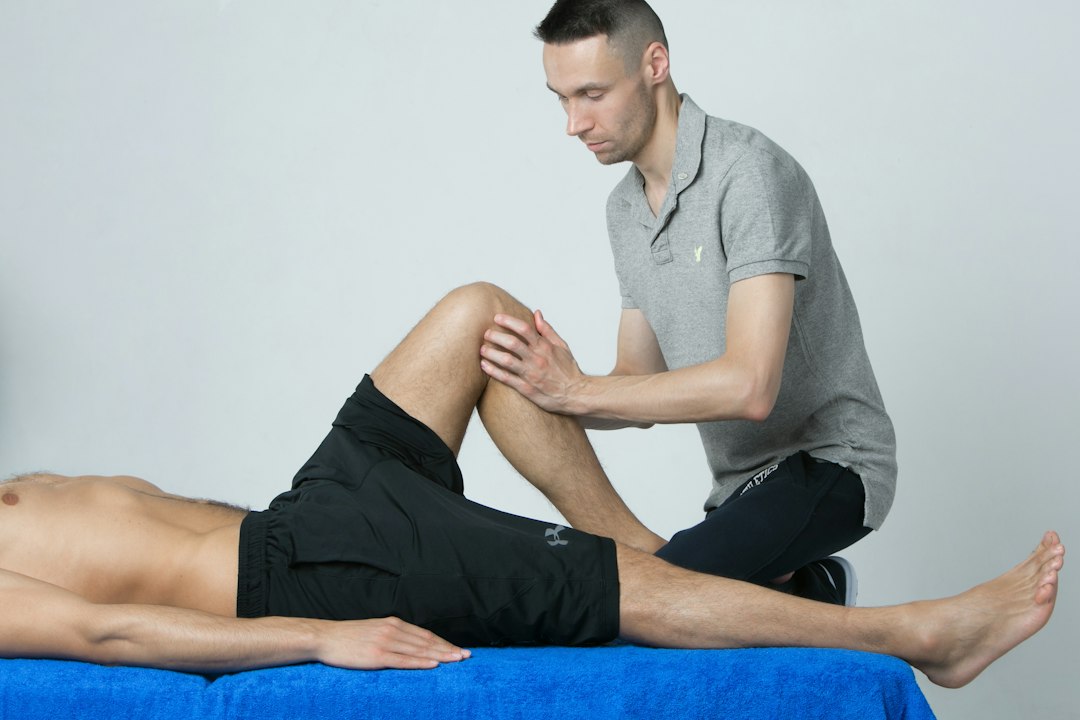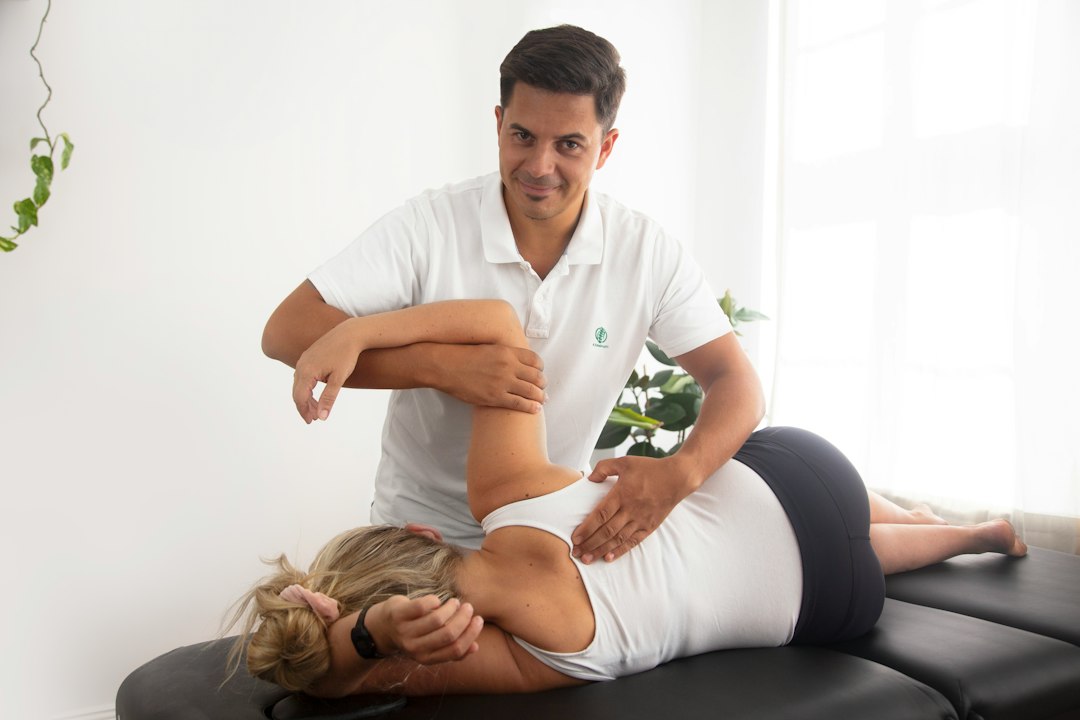

The assessment should involve more than pressing the sore area and asking whether it hurts. A physiotherapist may compare neck rotation and side bending on both sides, observe posture and movement quality, and assess shoulder and upper-back motion. Muscle strength, sensation, and reflexes may also be checked if symptoms extend into an arm. The cervical spine contains seven vertebrae, supported by small joints, discs, ligaments, and muscles that coordinate everyday movement. A practitioner may note whether a restriction changes when you alter your sitting position or move the shoulder, since that can provide useful information about contributing areas.
Neck pain can be felt away from the structure that is irritated. A sensitive joint or muscle may refer an ache towards the shoulder blade or upper shoulder without causing nerve damage. Nerve irritation has a different pattern and may include tingling, burning, numbness, altered sensation, or weakness that continues down the arm. Pins and needles in the thumb after several days of neck pain, for example, warrant a more careful neurological assessment than local stiffness alone. Symptoms are not interpreted from one feature in isolation, so tell the clinician whether your grip has changed, objects feel different in your hand, or arm symptoms are becoming more widespread.
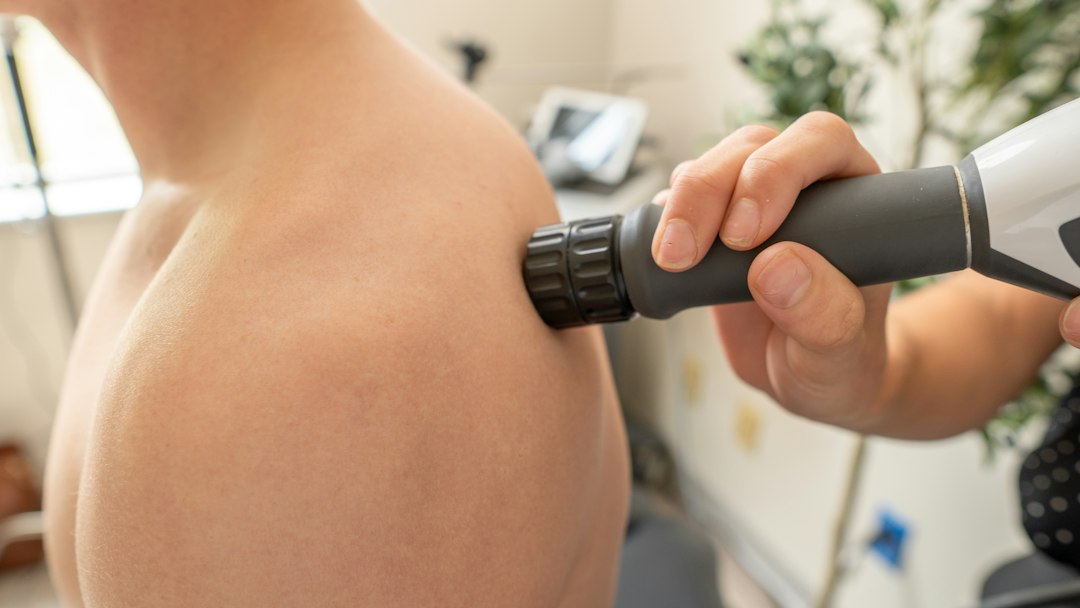
Treatment should reflect the findings and the tasks you need to resume. Hands-on treatment may be used to make movement more comfortable, but it is generally combined with active exercise and practical changes. Early exercises might include gentle neck rotation, controlled chin nods, shoulder blade movements, or work for the small muscles that help support the front of the neck. The correct dose matters. A movement may be acceptable if it causes only mild, short-lived discomfort, while a sharp increase that lingers for hours suggests the range, repetitions, or activity level needs review. The aim is gradual improvement, not forcing the neck through pain.
Consider a graphic designer who shifts between a laptop and a second monitor throughout the day. By mid-afternoon, her neck feels tight, and she keeps raising one shoulder while concentrating. The useful intervention may include lifting the screen, placing the keyboard where the elbows can relax, and setting a reminder to change position before stiffness builds. A short note in her work diary can show whether symptoms follow long editing sessions, phone use, or missed breaks. Someone who strained the neck during a tennis serve may instead need temporary changes to serving, reaching, and rotation, followed by a staged return to those movements.
Load management means matching current activity with what the irritated tissues can tolerate. It does not automatically mean lying still or avoiding all exercise. If turning to reverse the car is mildly uncomfortable but settles soon afterwards, a clinician may prescribe controlled practice within a suitable range and suggest using the mirrors or turning the whole body temporarily. If pain steadily intensifies, travels farther down the arm, disrupts sleep repeatedly, or remains aggravated long after activity, the plan needs reassessment. Recording the activity, symptom response, and recovery time gives you something more useful to discuss than trying to remember the whole week from memory.
You can consider neck physio south yarra if you want an assessment connected to your work, driving, training, and sleep requirements. Before the appointment, write down any recent collision, lifting session, sport, change to your desk setup, headache, arm symptom, or medication that has affected the problem. Bring relevant imaging reports if you have them, but do not assume a scan alone explains how you feel. Seek urgent medical attention for major weakness, loss of coordination, difficulty speaking or swallowing, a sudden severe headache, fever with marked neck stiffness, or neck symptoms after significant trauma.
A useful treatment plan should explain what may be contributing to the symptoms, which movements are appropriate now, and how progress will be checked. Ask how often exercises should be completed, whether discomfort during them is acceptable, and what change would mean you should stop and contact the clinic. It is also reasonable to discuss practical details such as adjusting a car seat, using a pillow that allows comfortable alignment, or breaking up long periods at a desk. If local follow-up suits your schedule, physiotherapy for neck pain may be relevant when regular review allows exercises and activity demands to be adjusted as movement, strength, and confidence improve.