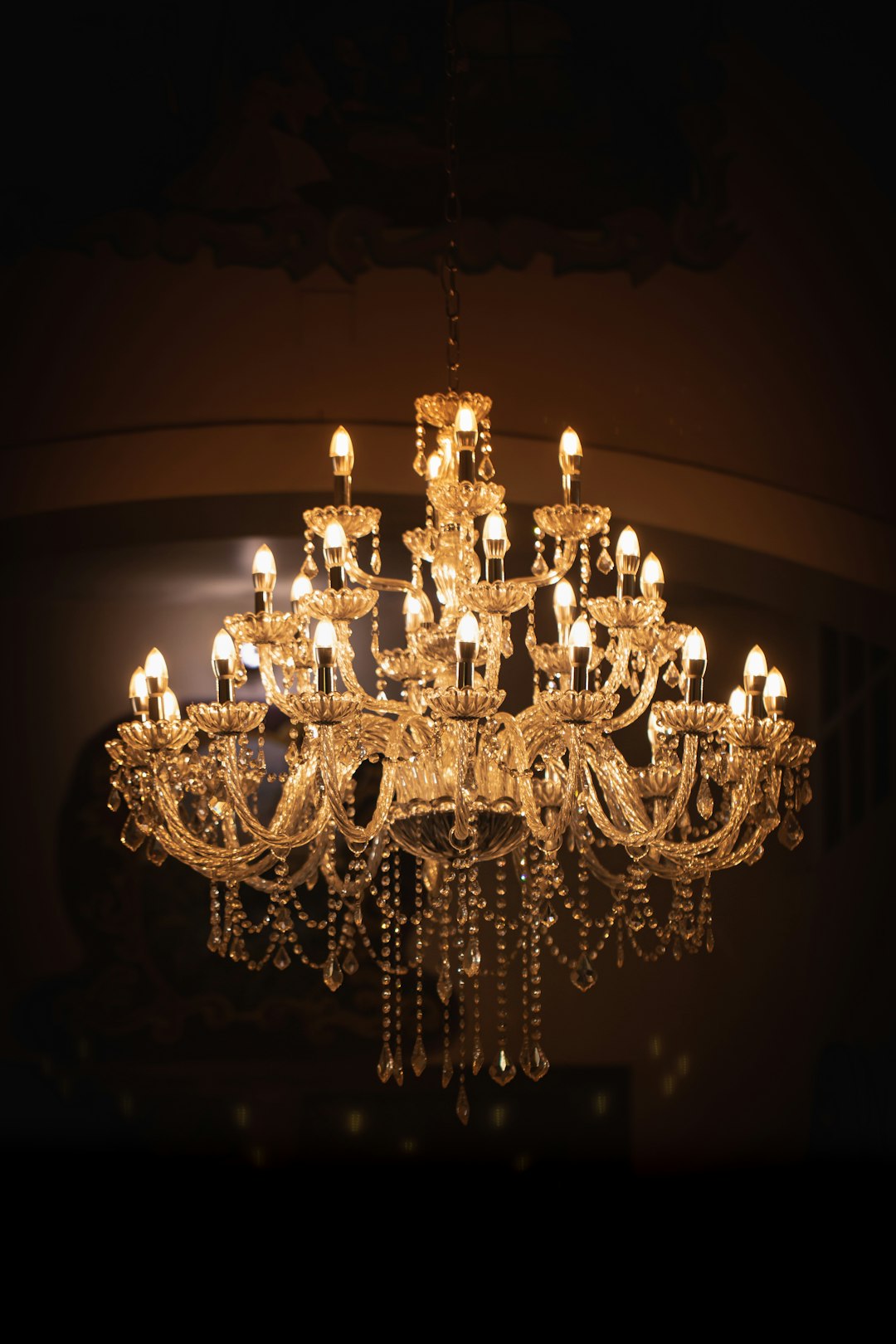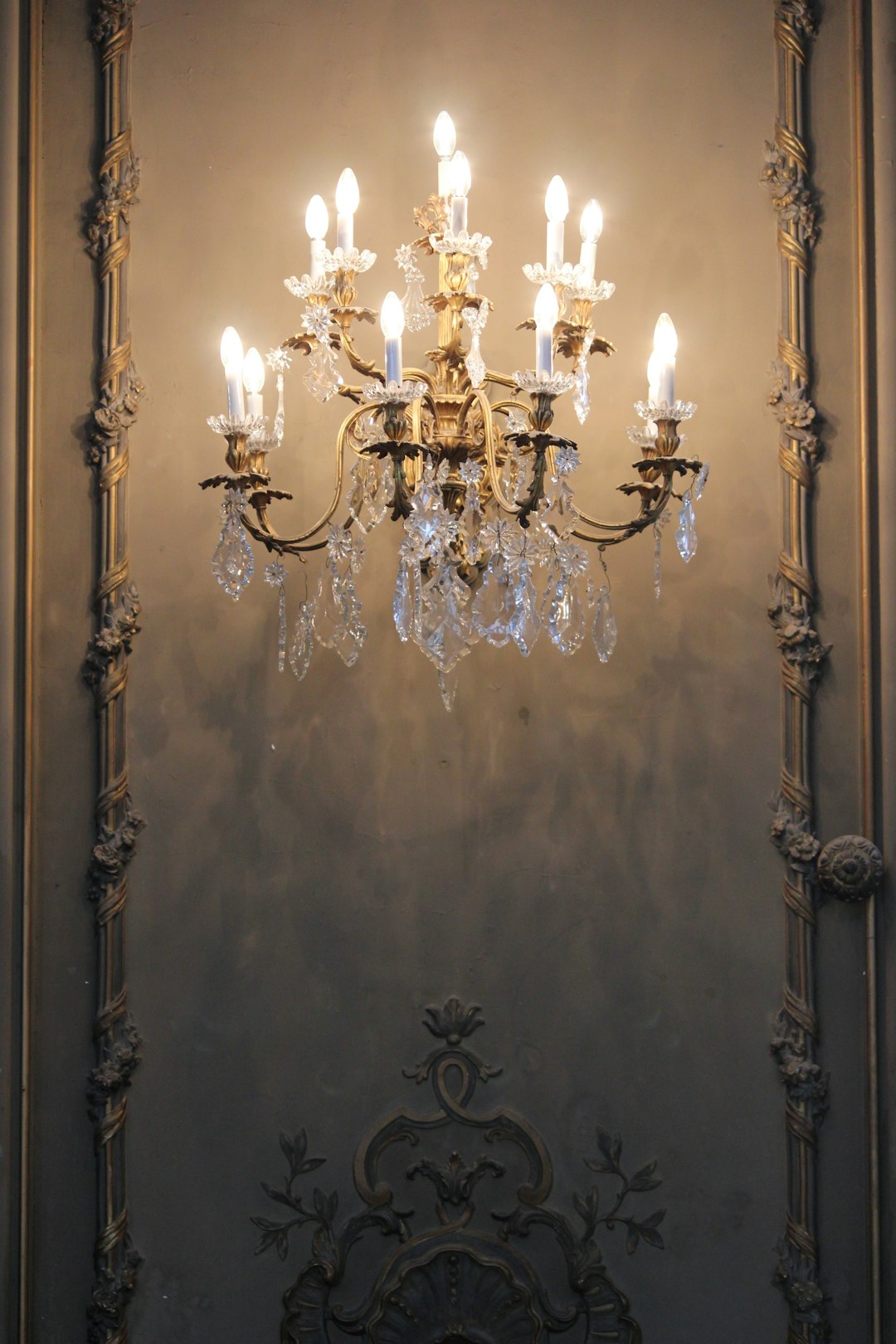

A common misconception is that stained or art glass is simply coloured sheet glass. In practice, the material may be cut, textured, shaped or layered to control how light passes through it. Texture scatters light, which means a surface can glow softly instead of producing a sharp, transparent patch. Some specialist glassmaking methods also involve heating glass until it bends or fuses, a process that changes its surface and form. The referenced chandelier uses more than one hundred handcrafted glass elements, made by a Polish artist using techniques traditionally associated with Murano glass production. That describes labour and method, not a guarantee of uniformity.
The number of elements does not automatically indicate size, weight or brightness. A design made from many modest pieces can look delicate, while fewer broad panels may have a stronger architectural presence. This distinction matters in a low-ceilinged sitting room, where a compact, layered arrangement may be more comfortable at eye level. In a tall hallway, a longer composition can fill the vertical space without needing excessive illumination. Visual density is another useful term: it describes how much of the fixture appears occupied when viewed from below. Clear gaps between pieces can make a richly detailed chandelier feel lighter than its construction suggests.
Colour is also easy to misread in a showroom photograph. Colour temperature describes whether a lamp appears warm and golden or cooler and whiter, measured in kelvins. A warm setting can suit timber, brass and dining areas, while a cooler setting may reveal blue and green glass more distinctly. Colour rendering index, usually shortened to CRI, describes how faithfully a light source shows surface colours compared with a reference. High colour rendering is useful when the glass itself is the feature. Dimmability matters too, because the setting needed for dinner will differ from the brighter light required when the room is being cleaned.
The fixture is not supported by the glass alone. Its suspension system transfers weight to the ceiling through a canopy, rod, chain or cable, while the electrical connection supplies power to the lamps. This is why an existing light point should not be assumed suitable without inspection. A plasterboard ceiling may need a reinforced fixing connected to the structure above, especially where the chandelier is substantial. A qualified electrician can check the circuit, earthing and control arrangement, then install it in line with current requirements. The safest design discussion therefore includes ceiling construction and access, not only height, colour and shape.
Maintenance is usually less dramatic than owners expect, but it should be gentle and planned. Dust can collect where textured surfaces meet their fittings, so a soft, dry brush or lint-free cloth is preferable to abrasive cleaners. Before cleaning, the power should be isolated and the glass allowed to cool. In a coastal home, airborne salt may make regular dust removal more useful, while a rarely used hallway may need attention less often. If one element becomes loose or damaged, forcing it back into place could affect the surrounding structure. A conservator, maker or suitably experienced lighting professional can advise on repair.
When comparing designs, ask how the glass is attached, what replacement parts are available, which lamps are compatible and how the height can be adjusted after installation. Consider the view from the doorway as well as the position directly beneath the fitting. A bespoke arrangement can respond to a particular table, stairwell or double-height room, but custom work still benefits from clear practical limits. Reference images, ceiling measurements and preferred light levels give a designer something concrete to work with. Exploring custom stained glass lighting can help clarify how artistic detail and everyday function are balanced. The most convincing result is one that remains comfortable to live with after the first impression fades.