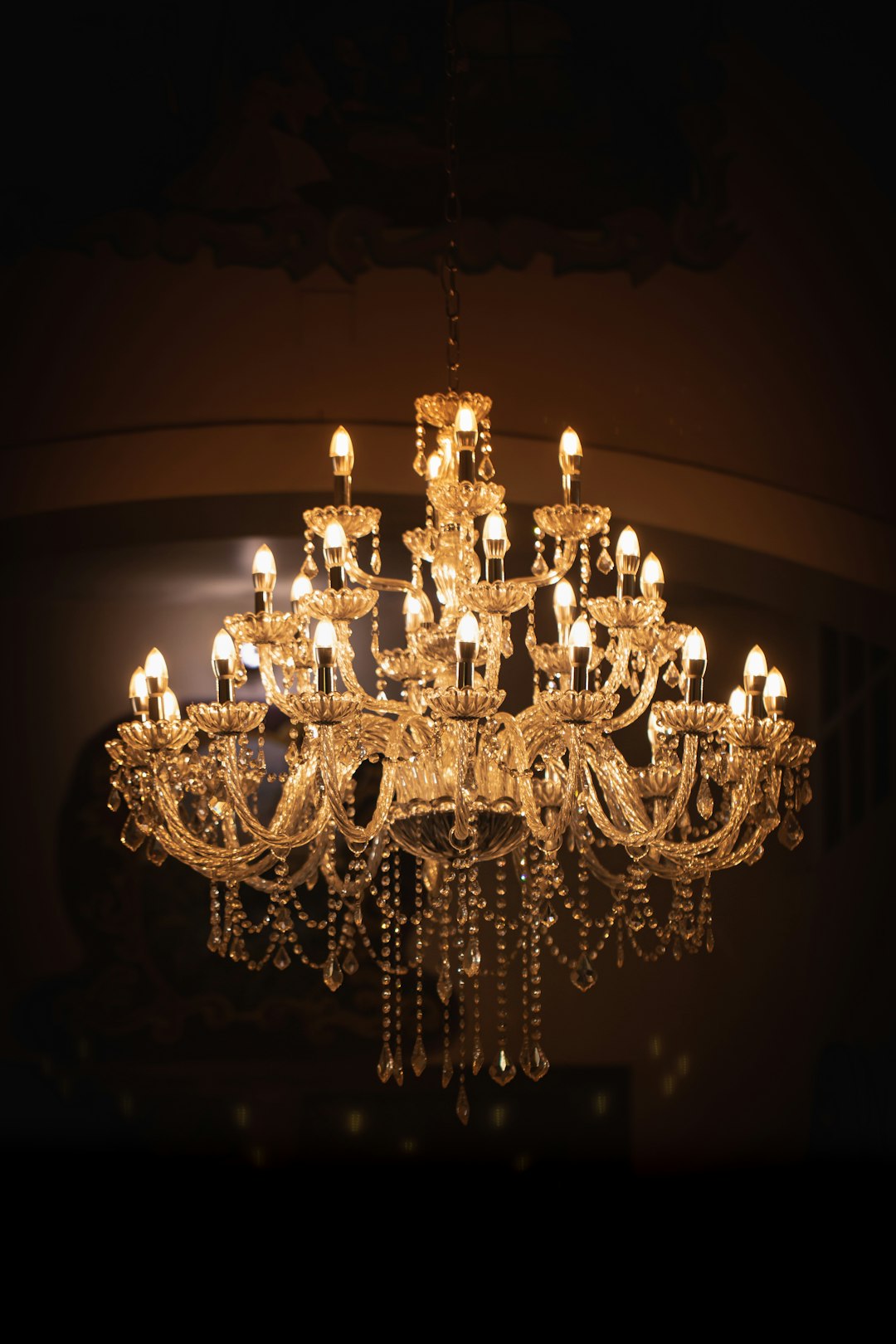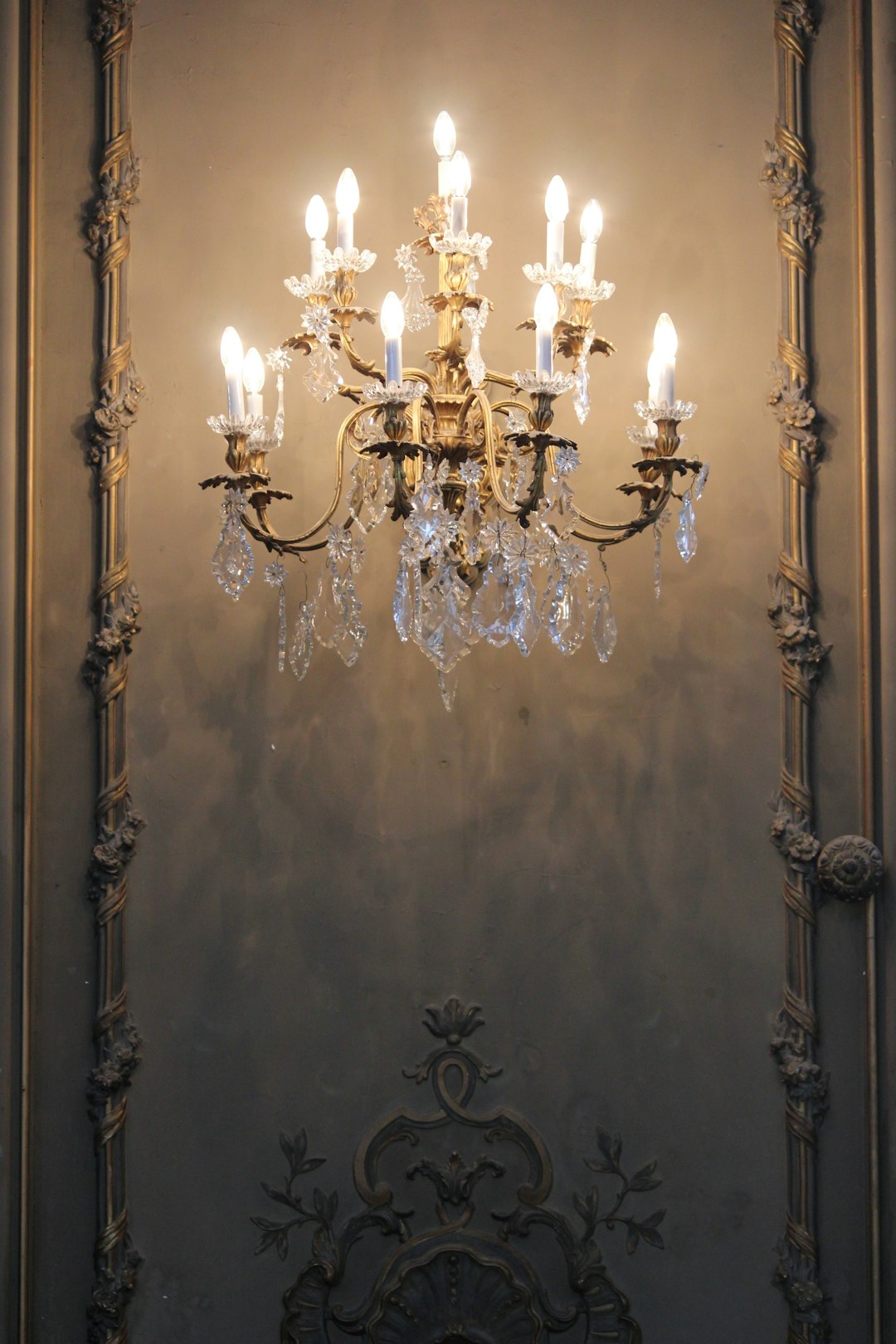

A good design discussion should explain how an idea becomes a finished fitting. Ask to see sketches, glass samples and proposed metalwork, then clarify how much you can change before production starts. Some commissions contain more than one hundred textured glass elements, each shaped by hand with art-glass methods associated with traditional Murano production. Handwork brings variation in thickness, colour and surface, rather than the identical appearance of factory-made shades. Look at completed projects in room settings, not only close-up photographs. The examples of custom blown glass chandeliers can help you judge the range of possible compositions.
Scale should be tested physically before the final drawing is approved. Measure the proposed diameter on the floor with masking tape or a length of string, using the table as the centre point. Walk around it, pull out chairs and check the route to the kitchen. This simple exercise often exposes a cluster that looks elegant in a photograph but would obstruct movement in the room. Ask for the overall drop, meaning the distance from the ceiling to the lowest glass element. Above a table, sightlines should remain comfortable for conversation. A taller room or stairwell may accommodate a longer suspension, provided the composition remains balanced from each viewing angle.
Lighting performance deserves a place beside appearance in the brief. Lumens provide a more useful indication of visible brightness than wattage alone, while colour temperature describes whether the light appears warm and amber or cooler and whiter. Colour rendering, commonly expressed as CRI, helps indicate how naturally food, fabrics, artwork and timber will appear. Ask whether each glass piece is transparent, translucent or opaque. Transparent glass can reveal the lamp and create sharper highlights; translucent glass diffuses the source; opaque glass conceals it and may produce deeper shadows. These choices affect glare, atmosphere and the amount of useful light reaching the table.
Confirm the support arrangement before the shape is fixed. Weight may come from the glass, the frame, the canopy and the suspension or cable system, so a replacement fitting should not be treated as a simple swap without checking the ceiling. A qualified electrician or installer can assess the structure, electrical connection, dimming controls and access for lamp replacement. Period ceilings may need additional reinforcement. Ask whether the chandelier arrives assembled or in sections. Modular delivery can make carrying and installation easier, particularly through narrow staircases, but the maker must preserve the intended spacing and orientation during assembly. Keep the installation instructions with the electrical paperwork.
Request a written quotation that separates design development, samples, glass production, frame fabrication, delivery and installation. Confirm which dimensions are final, how revisions are authorised and what happens if a sample changes your preferred colour or texture. Providers offering bespoke lighting design should explain expected variation between hand-shaped pieces, the limits of the chosen glass and any servicing implications. Compare like with like. One price may include engineering and fitting, while another may cover only decorative components. A short written record of approvals, including the final drawing and finish references, prevents an informal conversation from becoming an expensive misunderstanding later.
Plan for ownership as carefully as the commission. Textured glass collects dust in its recesses, so check whether every element can be reached safely and whether cleaning needs partial dismantling. Ask which lamp type is recommended, how replacement lamps are accessed and whether the fitting suits the intended dimmer. A practitioner may label each section before delivery or photograph the arrangement from several angles, habits that make future servicing less disruptive. Keep those images, the drawings, glass references and electrical information together. A successful chandelier is one whose design suits the room, whose light works for everyday use and whose construction can still be understood years after installation.