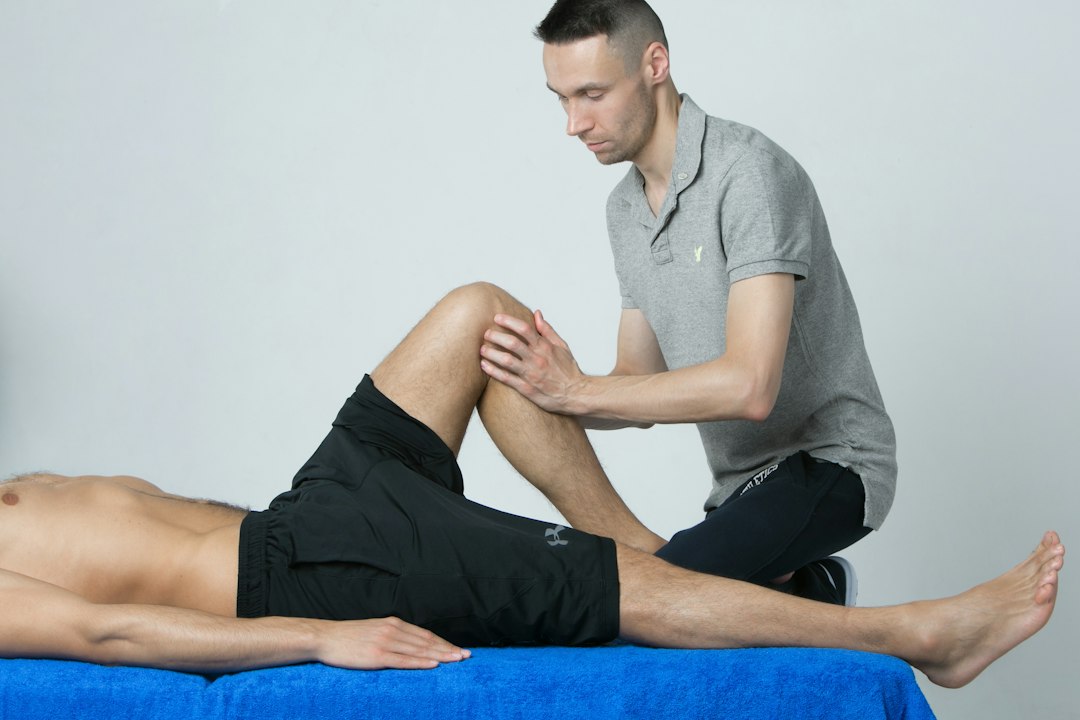

At an initial appointment, the physiotherapist should ask when the problem began, whether it is changing, and which movements or positions make it better or worse. They may ask about sleep, driving, exercise and the demands of your job. An examination can include posture, walking, spinal movement and the range of motion at nearby joints. Strength, reflexes and sensation may also be checked. If symptoms travel into an arm or leg, the practitioner should discuss possible nerve irritation without presenting a tentative finding as a definite diagnosis.
A careful assessment also includes deciding whether physiotherapy is suitable at that point. Severe or rapidly increasing weakness, loss of bladder or bowel control, unexplained weight loss, fever, or pain after a serious accident need prompt medical advice. These warning signs are uncommon, but a responsible practitioner should ask about relevant medical history and explain what would warrant further help. For less urgent problems, the assessment may identify reduced movement, poor tolerance of lifting, or weakness. The useful question is not only what hurts, but which tasks currently exceed your capacity.
Ask how the proposed treatment relates to those findings. Manual therapy may be used to ease stiffness or discomfort, while exercises can develop strength, coordination and confidence. Advice might cover desk breaks, lifting technique, sleep positions or pacing. Load management means adjusting activity so the body is challenged without repeatedly provoking a flare-up, not putting life on hold through complete rest. Someone at a desk may need brief movement breaks and graded strengthening. A warehouse worker may need a staged return to lifting, with the plan altered as tolerance improves.
A good programme should fit real situations. A runner with lower back pain might temporarily reduce hill sessions, work on hip and trunk control, then build distance in measured steps. A parent carrying a toddler may need to vary carrying sides, practise gentle neck movement and strengthen the upper back. Neither example confirms a particular diagnosis or promises a fixed recovery time. They show why identical exercises are not suitable for every person. Keep a note of which activities trigger symptoms and how long any increase lasts, as that record can make the next review more useful.
Clinic comparisons should cover practical details as well as treatment style. Check who will conduct the appointment, whether they regularly assess spinal and musculoskeletal problems, how long the first consultation lasts, and how progress will be reviewed. Ask what happens if improvement stalls and whether another professional may need to be involved. Clear physiotherapy guidance should explain likely benefits and limitations without guaranteeing an outcome. Travel time, appointment availability and the way exercises are demonstrated matter too. A plan is easier to follow if it fits around school runs, shifts or commuting.
Physiotherapy works best as a shared process rather than a passive appointment. You should know why each exercise has been selected, what change to monitor and how to reduce or modify it if symptoms rise. Mild, short-lived discomfort can be discussed, but new numbness, marked weakness or steadily worsening pain should be reported promptly. At review, the practitioner can test practical changes such as standing longer, sleeping more comfortably, reversing the car or lifting at work. Bring any exercise notes and mention missed sessions honestly, since that helps distinguish an unsuitable plan from one that simply needs a more workable routine.