
Condition grading gives buyers a quick description, but it is not a substitute for inspection. Mint generally suggests little or no use, while Very Good Plus usually means minor wear that should not seriously affect playback. Standards can vary between sellers, so examine the record under a bright light. Look for scratches, scuffs, cloudy areas, and dirt in the grooves. Turn the jacket over and check seams, writing, stains, corner dents, and sticker residue. Browsing reputable vinyl music stores can show how sellers describe condition, but ask what their grade includes before treating it as a guarantee.
The pressing deserves separate attention from the condition grade. A pressing is a particular manufacturing run, and two versions of one album can differ in appearance or sound. A reissue was made later than the first release and may have been prepared from different source material. The matrix, or runout, is the stamped or etched information near the center label. It can help identify a version, although reading it accurately takes practice. If the goal is regular listening, a clean and affordable reissue may be wiser than an expensive early copy with uncertain condition.
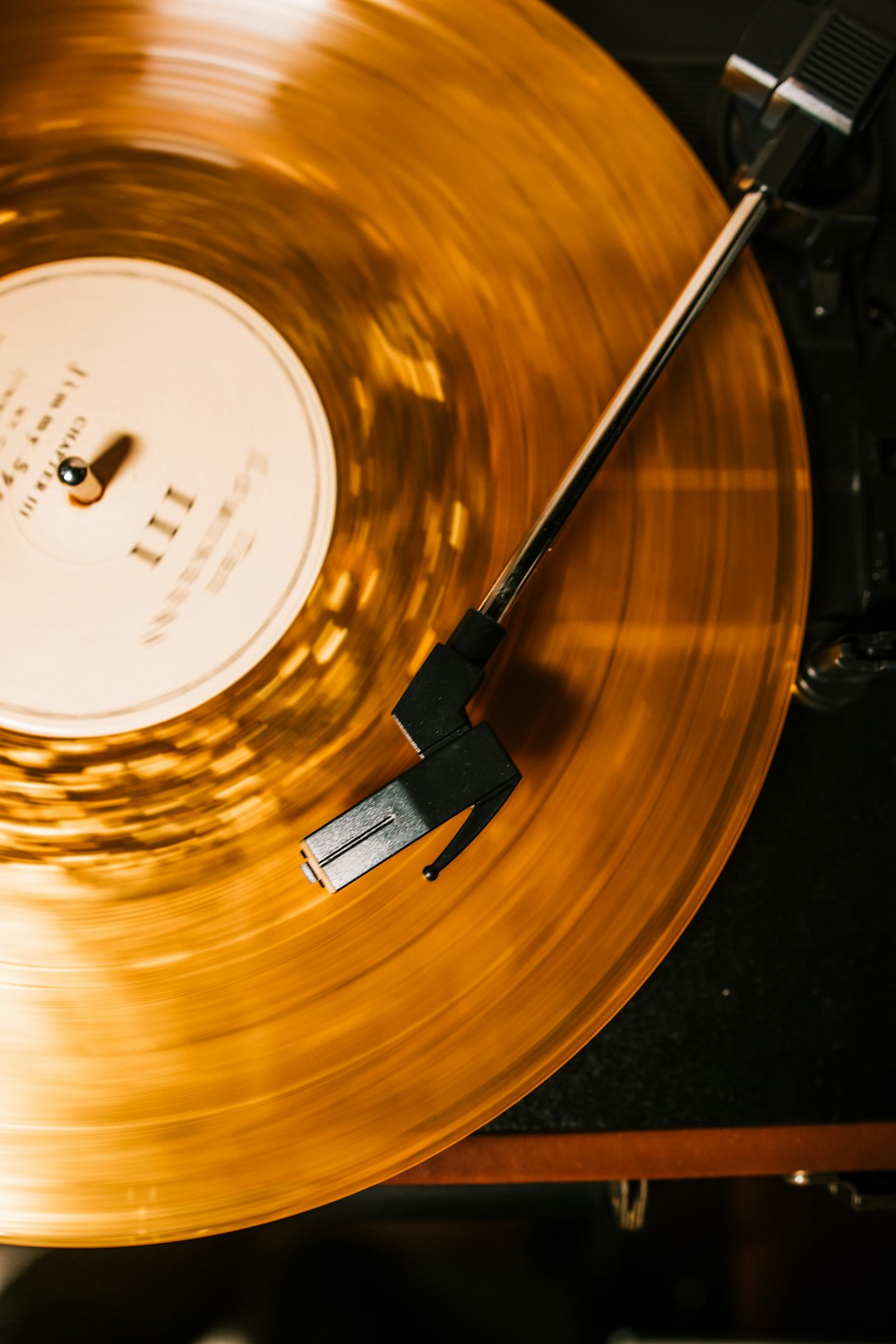
Your playback equipment should influence what you buy. A stylus is the tiny tip that follows the groove, while the cartridge holds the stylus and converts its movement into an electrical signal. Dust on a record can create crackle, and a worn stylus may track poorly. Before buying used equipment, ask whether the turntable has adjustable tracking force, meaning the pressure placed on the stylus. Keep a note of your cartridge and stylus model in your phone. That small habit makes it easier to ask precise questions later instead of guessing at the counter.
A listening station can settle questions that a visual inspection cannot. Imagine finding a scarce jazz album with an excellent cover, only to hear loud pops during a quiet passage. A short test may reveal loose surface dirt, repeated noise from a scratch, or a broader playback problem. Ask whether the shop cleans used records before displaying them and read the return policy before paying. If testing is unavailable, check whether returns cover playback faults, visible defects, or all used merchandise. Keep the receipt and note the record’s condition while the purchase is still fresh.
Organization affects how productively you browse. Genre sections can help a new listener build a starting point, while a large catalog may appeal to someone searching for obscure pressings. Ask staff to locate related artists, alternate editions, or albums suited to a particular mood without assuming the most expensive copy is best. A useful seller can also explain mastering, the process of preparing audio for release, in plain language. For shoppers who want record buying guidance, a conversation about the intended use of an album can be more helpful than a sales pitch.
Judge price beside condition, pressing details, and expected enjoyment. A costly record is not automatically the best sounding one, and an inexpensive copy may be the right choice for frequent play. Set a spending limit before entering a shop with collectible material, then bring a short wish list while leaving room for discoveries. Compare the label, catalog information, jacket, and playing surface before asking for a price. If several copies are available, place them side by side and photograph the relevant details for later reference. That simple process reduces mix ups and helps you buy the version you actually wanted.