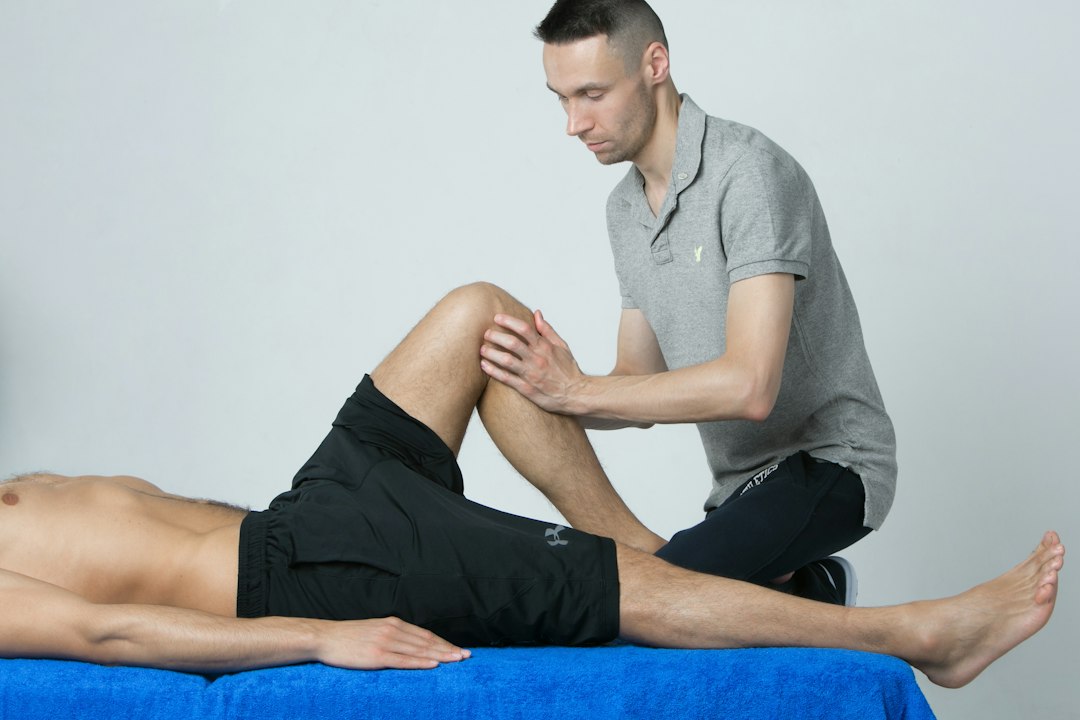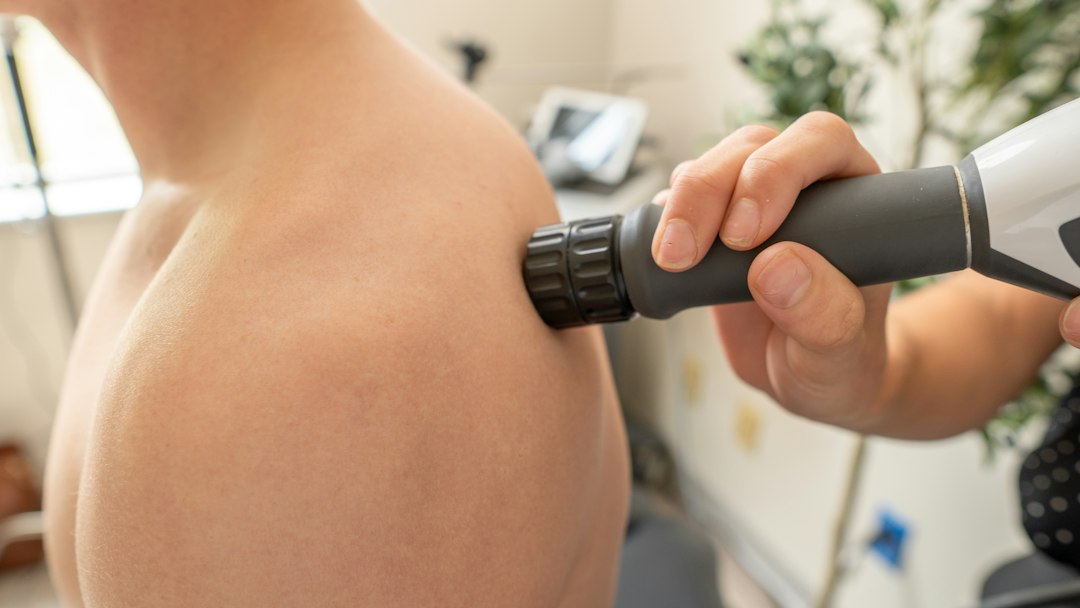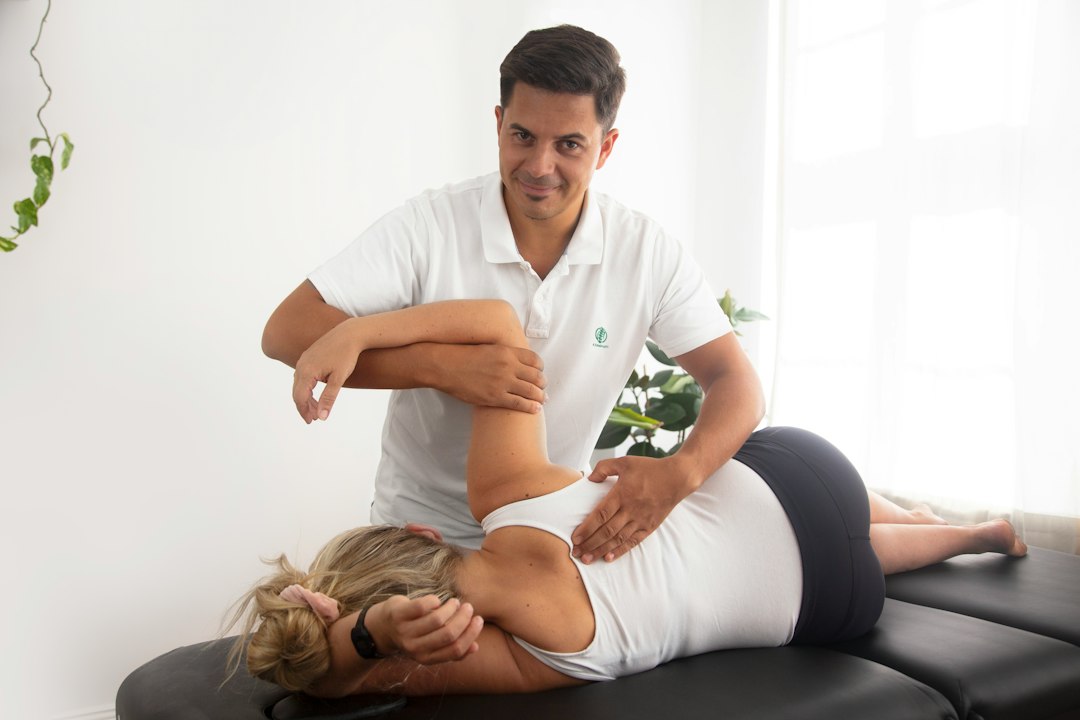

Physiotherapy is a key part of recovery for many pneumonia patients. Techniques like the active cycle of breathing help clear mucus and encourage deeper breaths, which can be tough when pain or weakness limits lung expansion. Chest physiotherapy, including gentle clapping on the back, helps loosen secretions. These methods support lung function and reduce the chance of infections lingering or worsening.
Airway clearance techniques also play a critical role. Postural drainage uses specific body positions to drain fluid from lung areas, making coughing more productive. This is something patients can learn to do at home, giving them a sense of control over their recovery. Regular sessions, even brief ones, help keep mucus from building up and causing further issues.
Patients with existing respiratory problems such as asthma or COPD need careful assessment. Mobile physiotherapy services that visit patients at home can tailor treatments based on real-life conditions, like how someone manages stairs or moves around their house. Observing these details allows therapists to adjust exercises and clearance techniques for maximum benefit.
Education is often overlooked but vital. Clear instructions about which symptoms require urgent medical attention, like worsening breathlessness or high fever, can prevent delays in care. Understanding how and when to take prescribed antibiotics or corticosteroids ensures medications work as intended. A common problem is patients stopping antibiotics early because they feel better, risking relapse or resistance.
If you want to support a loved one’s pneumonia recovery, consider consulting professionals who specialise in pneumonia management. Experienced therapists can teach breathing exercises and airway clearance methods tailored to individual needs. Home visits reduce the stress of travel during illness and allow for hands-on guidance in the patient’s own environment.
Effective pneumonia management combines physical therapies with education and personalised care plans. Regular monitoring of oxygen levels, encouragement of light activity as tolerated, and ensuring proper hydration are all practical steps that make a difference. For example, keeping a symptom diary can help track progress or spot warning signs early.
To explore how physiotherapy can assist with lung health and recovery, consider contacting providers who offer respiratory care at home. They bring expertise directly to your doorstep, helping patients regain strength without added stress.