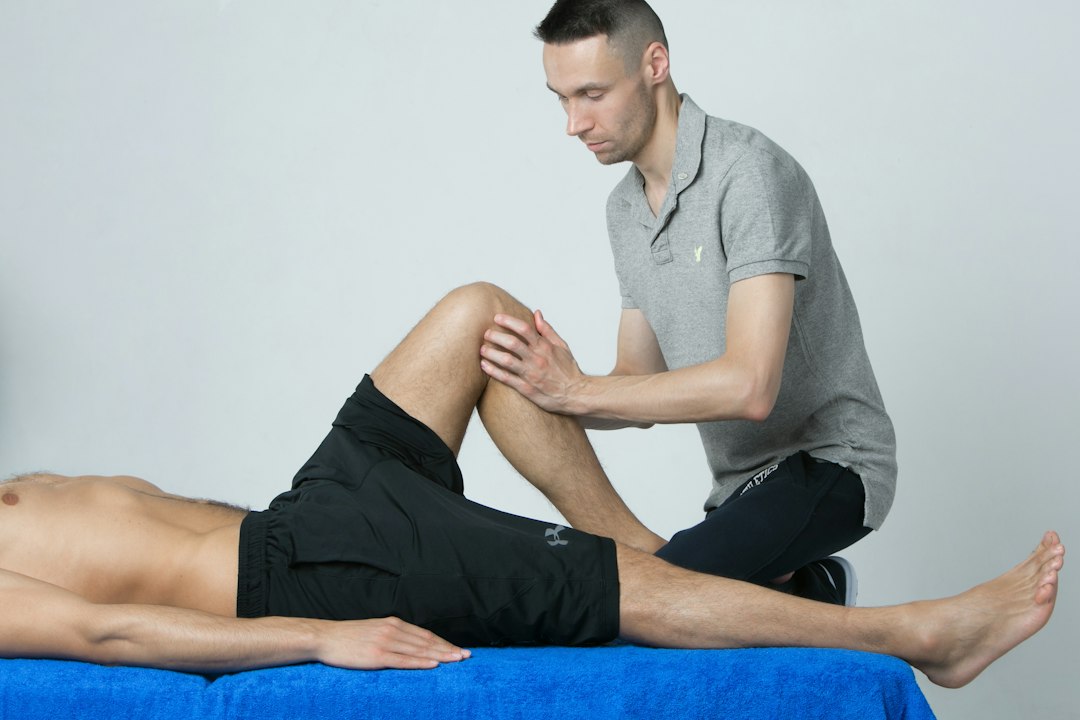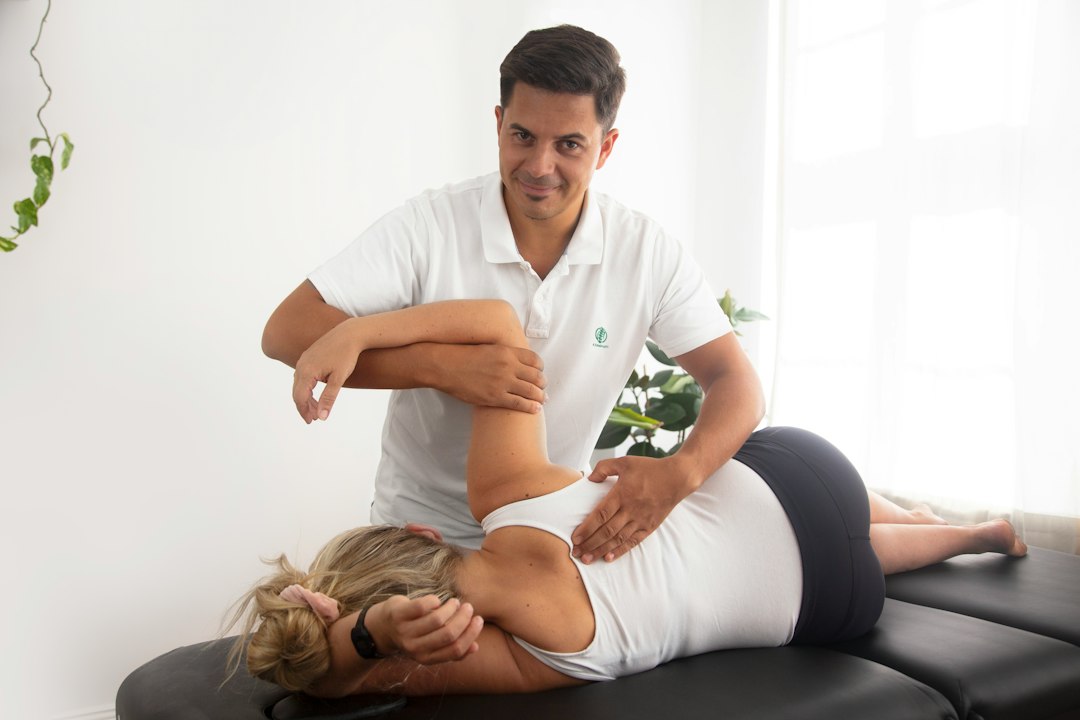

An appointment generally begins with questions about timing, irritability, and recent changes. The practitioner may ask about training volume, work demands, sleep position, footwear, previous injuries, and the exact point at which symptoms appear. It is useful to bring a training record or note whether pain is worse during an activity, immediately afterward, or the following morning. The physical assessment may include walking, a squat, a step down, single-leg balance, and hip rotation. Range of motion describes how far the joint moves, while strength testing examines how well the surrounding muscles create and control force.
A pattern seen regularly involves a return to running after several quiet months. The person may add hills or longer distances quickly, then develop a dull ache over the outer hip. They may assume the hip flexor is tight because the area feels restricted, although the gluteal muscles and the tendons that support the pelvis may also be contributing. Tendons can become sensitive when their workload rises faster than their current capacity. Treatment therefore usually involves more than releasing one tight spot. A sensible plan reduces aggravating load for a time and then rebuilds strength and tolerance in measured stages.
Front-of-hip pain has a different range of possible explanations. Sitting for hours can make symptoms noticeable when standing, walking, or lifting the knee, but the iliopsoas is not automatically the source. This muscle group helps flex the hip, while pain can also be referred from the lower back or arise from another structure around the pelvis. A practitioner may compare symptoms during sitting, walking, stair use, and resisted hip flexion rather than relying on the location alone. A stretch that feels good for five minutes may reduce discomfort temporarily without identifying the cause or changing the longer-term response.
Hands-on care may have a place if it matches the assessment and the person’s preferences. Massage can lessen the sensation of muscle tension, make a movement feel easier, or help someone tolerate an exercise session. It should sit alongside a plan for restoring capacity rather than replace it. If you are considering hip physio, ask what role hands-on treatment will have, which activities should be modified, and how progress will be checked. A session might include work around the gluteal muscles, thigh, or lower back, followed by one or two exercises linked to the movements that matter at home.
Exercise selection should relate to the person’s actual demands. Someone with outer-hip pain may begin with supported single-leg work or gradual loading of the gluteus medius, which helps control pelvic position during standing and walking. Someone who finds stairs difficult may practise low step-ups, sit-to-stands, or slow lowering from a step. The starting level depends on irritability, existing strength, balance, and daily requirements. Mild symptoms during an exercise can be acceptable in some presentations, but pain that becomes sharply worse or remains elevated into the next day usually means the range, resistance, or repetitions need adjusting.
A hip assessment should also identify signs that need medical attention. Severe pain after a fall, inability to bear weight, marked swelling, fever, or new numbness and weakness warrants prompt review. Persistent night pain, steadily worsening symptoms without an obvious activity change, or limited improvement despite sensible adjustments should be discussed with a doctor or another appropriate health service. A practitioner may record these findings and recommend referral rather than continue with routine exercise. Referral does not mean the physiotherapy appointment was wasted. It is a safe response when the symptoms do not fit a straightforward movement, muscle, tendon, or joint presentation.
Progress often depends on changing the dose of activity rather than stopping completely. A runner may shorten a route, remove hills temporarily, and add distance only after recovery has settled. A desk worker may stand for brief movement breaks before stiffness builds, while someone who sleeps on the painful side may use a pillow between the knees or change positions. Keep a simple note of the activity, symptom response, and next-morning condition. Information about hip pain treatment options can be useful alongside an individual assessment, especially when the plan needs to balance work, exercise, sleep, and the time available for rehabilitation.