
Screen work often reduces how fully and frequently a person blinks. By mid-afternoon, an office worker may be staring at a spreadsheet, blinking less often and feeling both scratchiness and watering. The watering can be misleading. Irritation may trigger a sudden flow of tears that does not remain on the eye long enough to provide lasting comfort. Short screen breaks, deliberate full blinks, reduced glare and a screen positioned comfortably can help limit strain. Drops may still be useful, but repeated afternoon symptoms deserve attention rather than an automatic increase in applications.
Read the product label before opening the bottle. A watery lubricant is usually easier to use during the day, including before reading or driving. Gels are thicker and may stay on the surface longer, although they can cause temporary blurred vision. Ointments are heavier and are often more practical at night, when blurred sight is less disruptive. Ingredients and textures differ, so comfort is personal. A brief awareness after application may settle, but persistent stinging, worsening redness or continuing blur is a reason to stop that product and seek advice rather than trying to work through it.
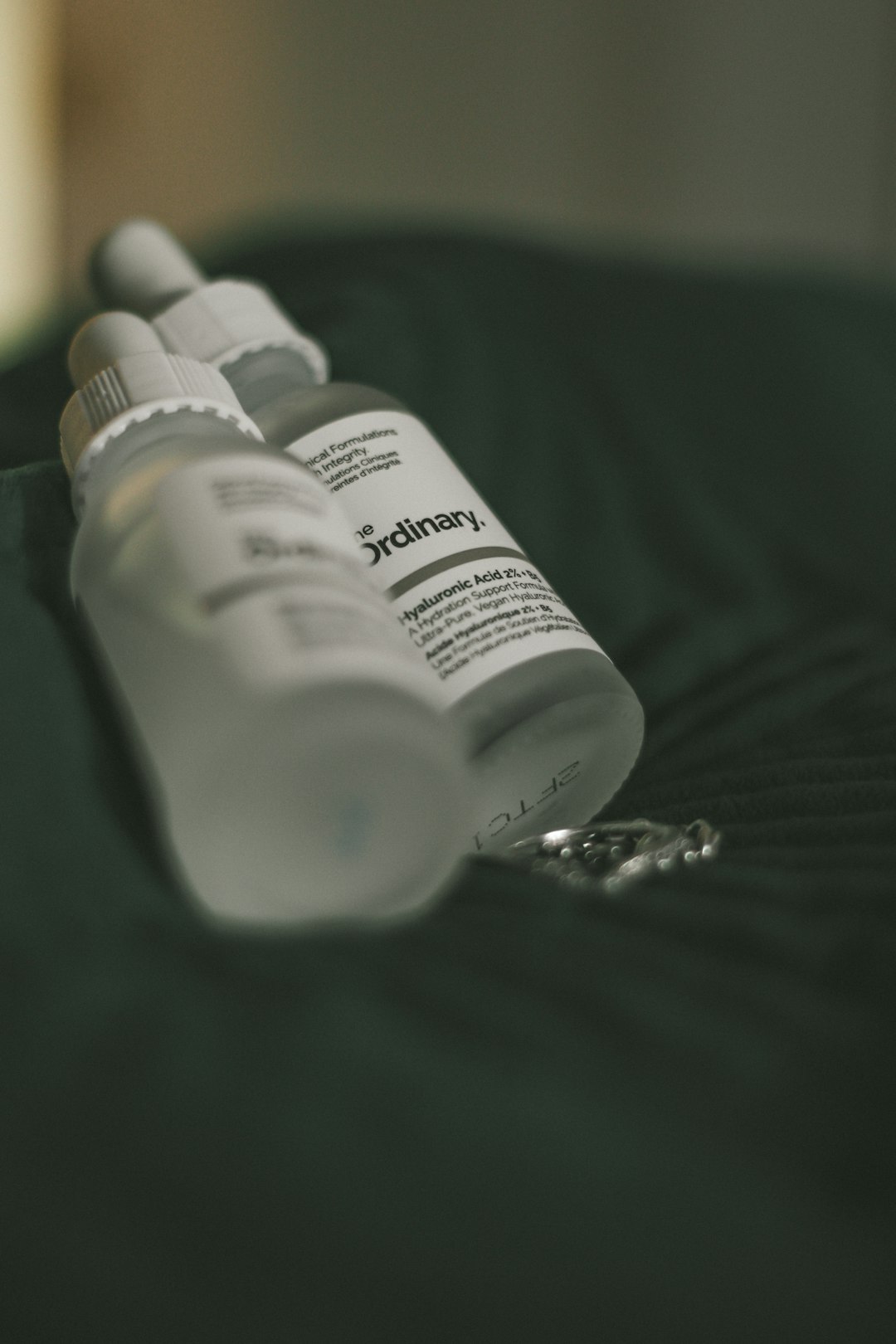
Preservative-free formulations may be worth discussing if drops are needed frequently, since some preservatives can irritate the eye with repeated use. Single-use vials reduce the need for preservatives, but the opened vial should be discarded as directed. Check whether contact lenses must be removed and how long to wait before replacing them. Keep the carton or take a photograph of the ingredients list if you are comparing products or speaking with a pharmacist. That small step prevents the familiar mistake of buying a thicker night-time preparation and then using it just before a morning commute.
Application technique affects both comfort and cleanliness. Wash and dry your hands, tilt your head back and gently pull down the lower eyelid to form a pocket. Look upwards, place one drop inside the pocket and keep the nozzle away from lashes, skin and the eye itself. Close the eye softly for a moment instead of squeezing hard, which can force liquid back out. If two eye medicines are prescribed or recommended, leave several minutes between them and confirm the order with a pharmacist. Do not share a bottle, even with someone in the same household.
Symptoms on waking may point towards a different problem from afternoon screen fatigue. Sore, sticky or irritated eyelids can occur alongside inflammation or changes affecting the meibomian glands, which produce oil that helps slow tear evaporation. Lubricants may provide temporary relief while the contributing issue remains. A clinician can review the eyelids, the eye surface, medicines and contact lens habits during an eye examination for dry eye. Keep a brief record of the time symptoms start, what you were doing, which formulation you used and how long the relief lasted. Patterns are easier to discuss than vague recollections.
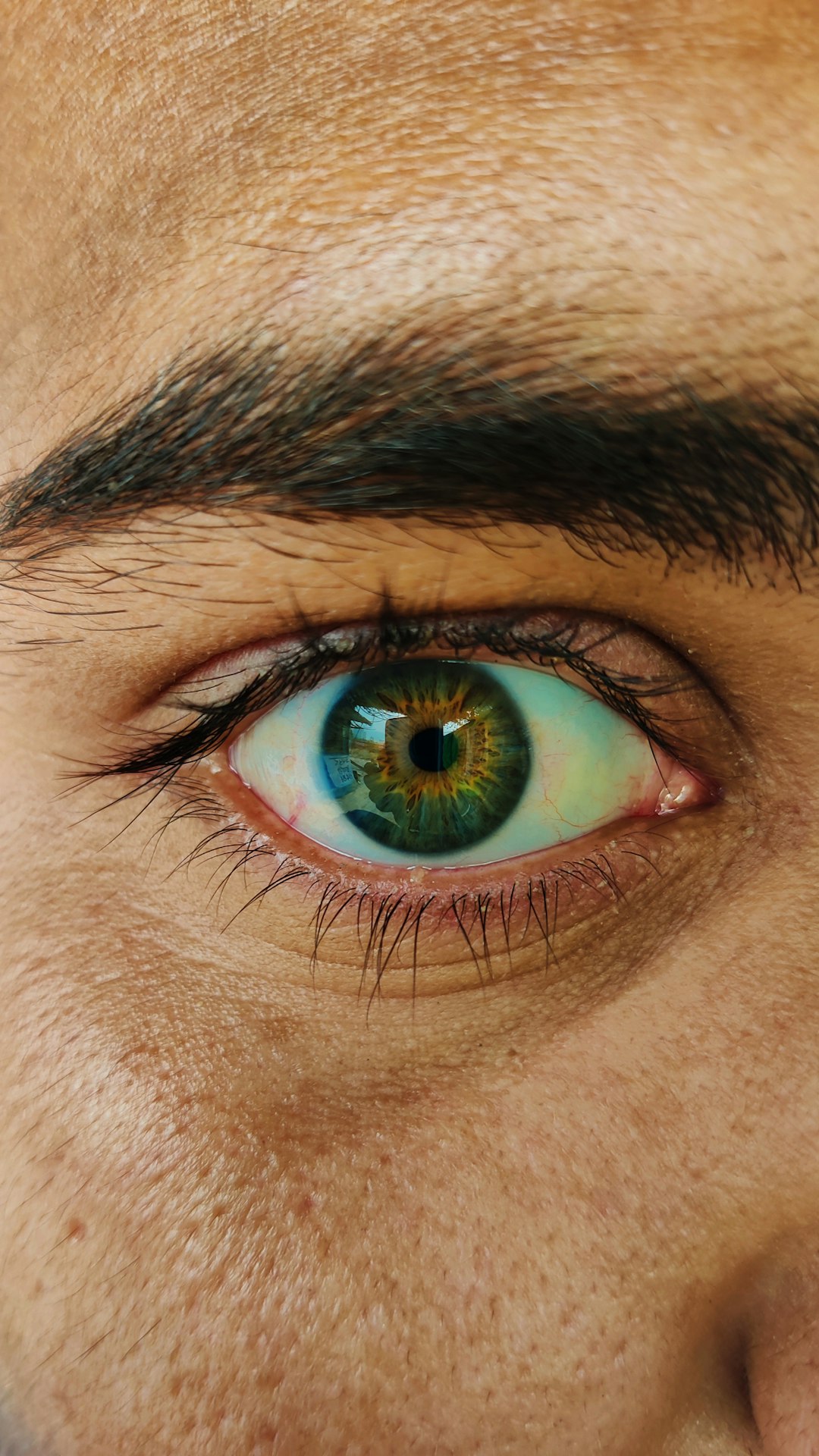
Do not treat every red eye as simple dryness. Arrange prompt medical advice for marked pain, changed vision, unusual sensitivity to light, substantial discharge, or symptoms after an injury or chemical splash. A painful red eye in a contact lens wearer needs particular caution: remove the lenses and obtain advice before wearing them again. Check expiry dates and storage instructions, and replace a bottle if the tip has touched an eye or another surface. If drops are needed repeatedly without sustained improvement, arrange a review. The plan may involve a different formulation, eyelid care or assessment of an underlying condition.