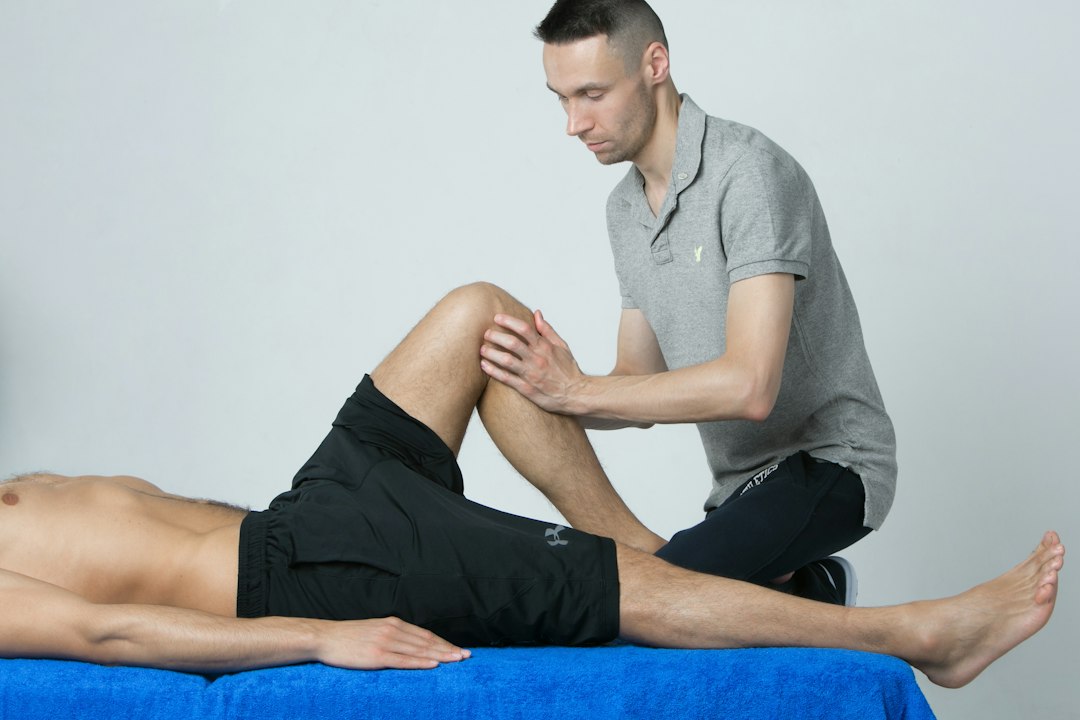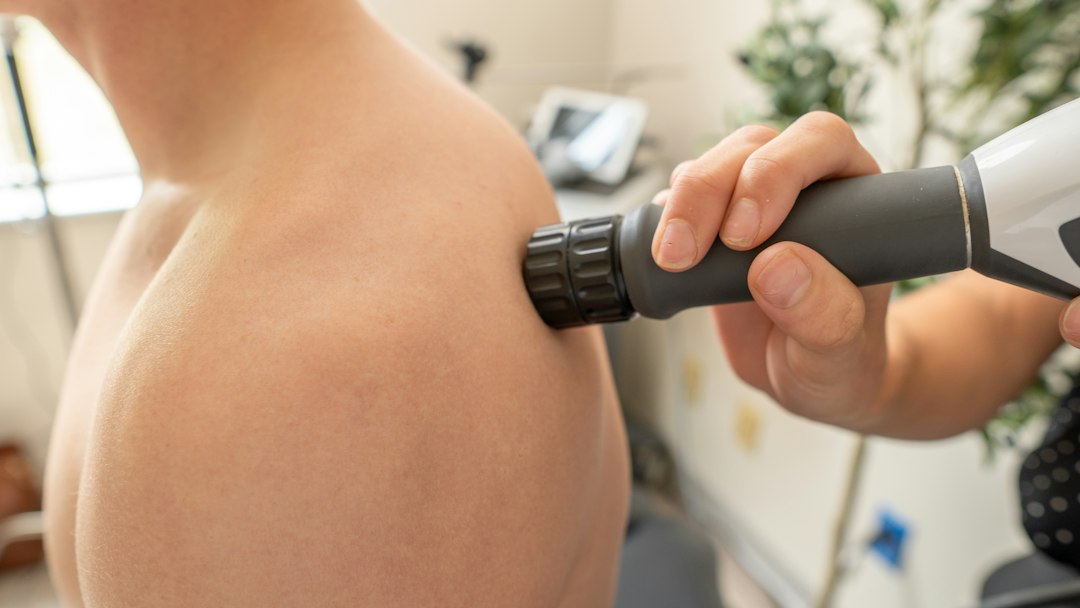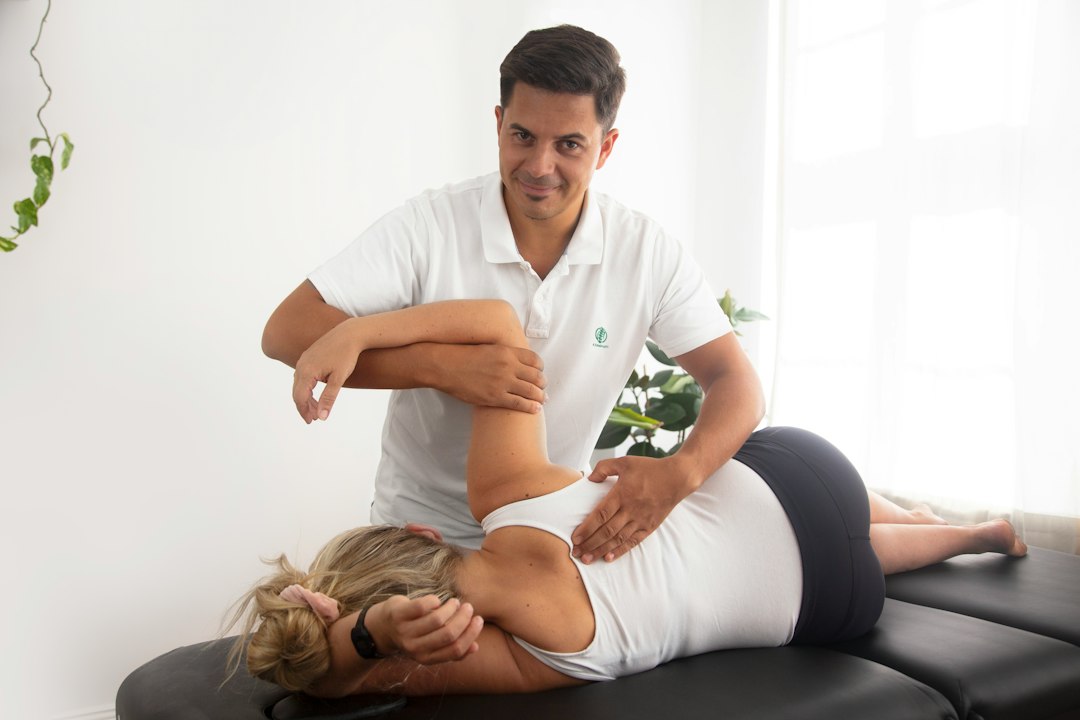

One practical step people overlook is physiotherapy. It’s not just for recovery after surgery. Physiotherapists use targeted breathing exercises and techniques like postural drainage to help clear mucus stuck deep in the lungs. This makes coughing more productive and reduces breathlessness. For example, patients recovering from pneumonia often find techniques that involve positioning their body to drain mucus from certain lung areas particularly helpful. These aren’t quick fixes but regular sessions can improve lung capacity and speed recovery.
You can also support your lungs with simple habits at home. Drinking plenty of fluids thins mucus, making it easier to expel. When you feel exhausted, resting isn’t optional, it’s necessary. Fatigue signals your body is fighting hard; pushing through it can delay healing. Many people underestimate how vital these basics are, but hydration and rest form the foundation of recovery from any respiratory illness.
If you have chronic lung diseases, chest infections demand more attention. They heighten risks of complications and flare-ups that can take weeks to settle. Regular check-ins with your healthcare provider help catch worsening symptoms before they spiral. Adding respiratory physiotherapy to your routine care can reduce the number of flare-ups by keeping airways clearer and strengthening breathing muscles. It’s a steady commitment but pays off by lowering hospital visits.
Accessing physiotherapy isn’t always straightforward, especially if mobility is limited during illness. Some services offer mobile visits bringing treatment right to your door. If you’re unsure which options exist near you or how physiotherapy might fit into your care plan, an assessment can clarify this. Exploring chest infection management with professionals can give you practical steps to take control of your recovery.
Beyond therapy and medication, keeping clear communication with your doctor is invaluable. Treatment plans often need adjustment depending on how symptoms evolve or how your body responds. Patients sometimes misinterpret worsening symptoms as a sign to stop treatment when they actually need medical advice urgently. Keeping notes about your symptoms and any changes helps your healthcare team tailor care effectively.
While dealing with lung infections can feel overwhelming, managing them is about consistent care and realistic expectations. Using physiotherapy alongside rest, hydration, and medical treatment creates a balanced approach that supports healing without rushing it. If you want to know about home-based respiratory care options, reaching out for guidance is a good step toward regaining your strength.