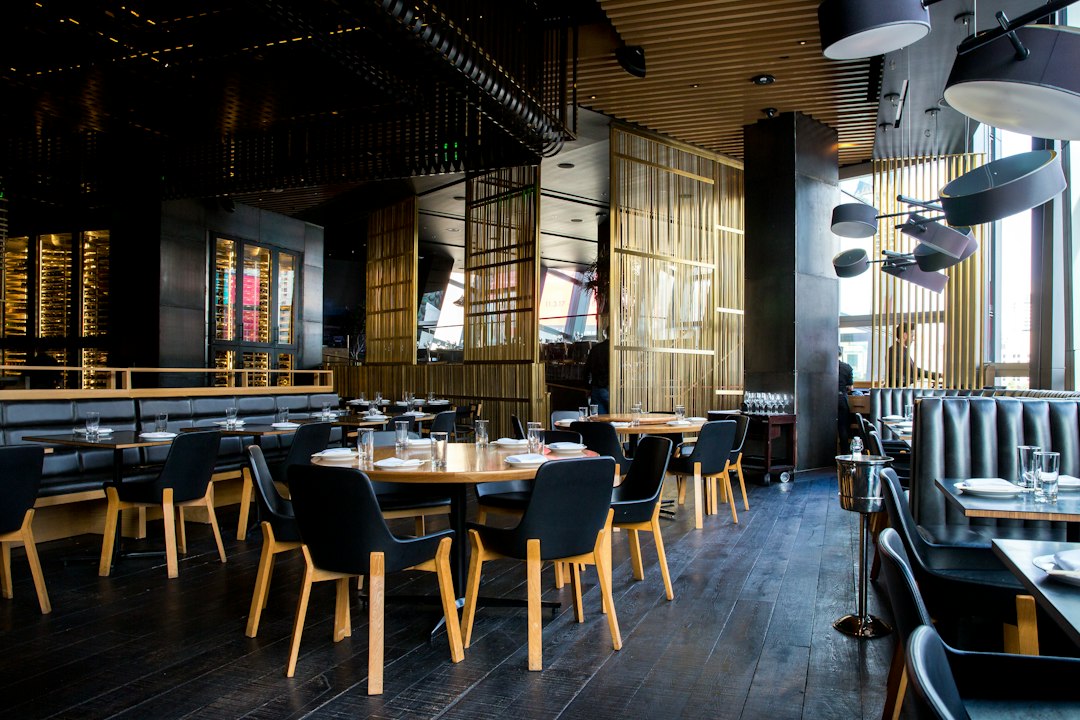

Timing deserves attention, particularly during the stretch from late morning into early afternoon, when late risers and people coming from the previous night may arrive at once. If reservations are available, treat one as a scheduled table rather than a promise of immediate seating. The earlier party may still be finishing, and the table may need clearing before it is ready. Walk-ins should provide the complete party size, not an estimate based on whoever has texted back so far. Table turnover varies by group, too. Two guests may be seated differently from a larger party that needs several places together.
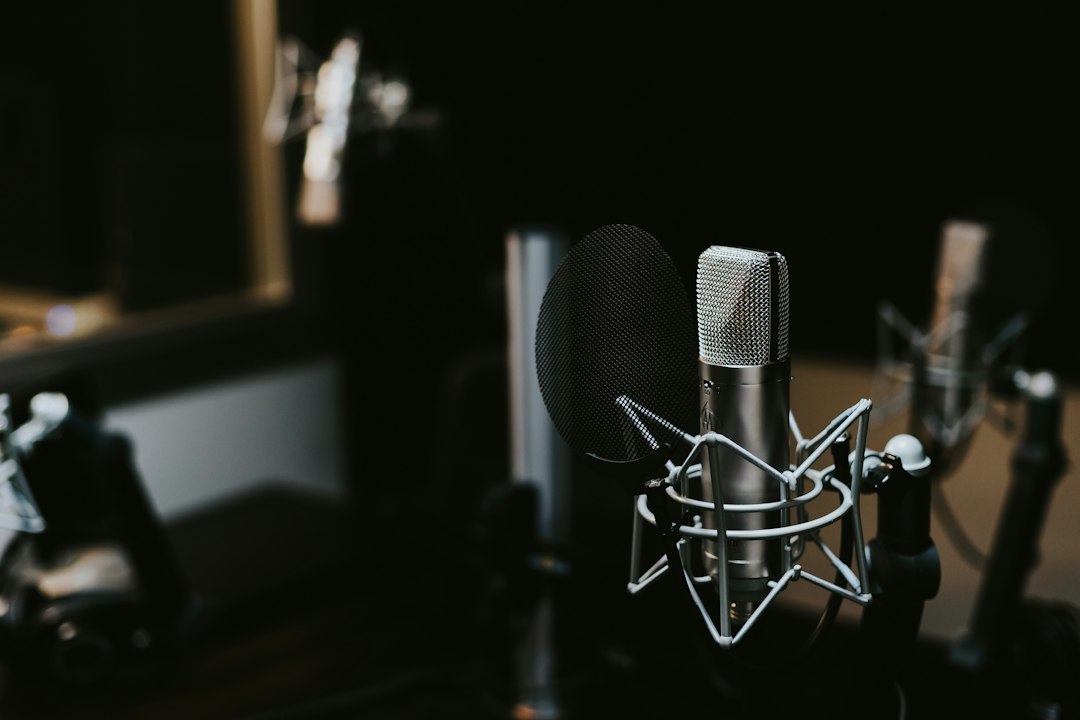
Coffee can shape the visit, so it helps to know what you want before ordering. Espresso is made by pushing hot water through ground coffee, while brewed coffee is prepared by allowing water to pass through grounds over a longer process. Extraction affects flavor: an uneven cup may taste sharply sour or noticeably bitter. Body describes weight on the palate, and acidity refers to a bright, lively quality rather than simple sourness. Someone who normally orders a latte can ask which preparation suits that drink. A guest planning to talk for an hour may prefer brewed coffee, while someone eating quickly may choose an espresso-based drink. For more context, see this guide to australian-style coffee and food.
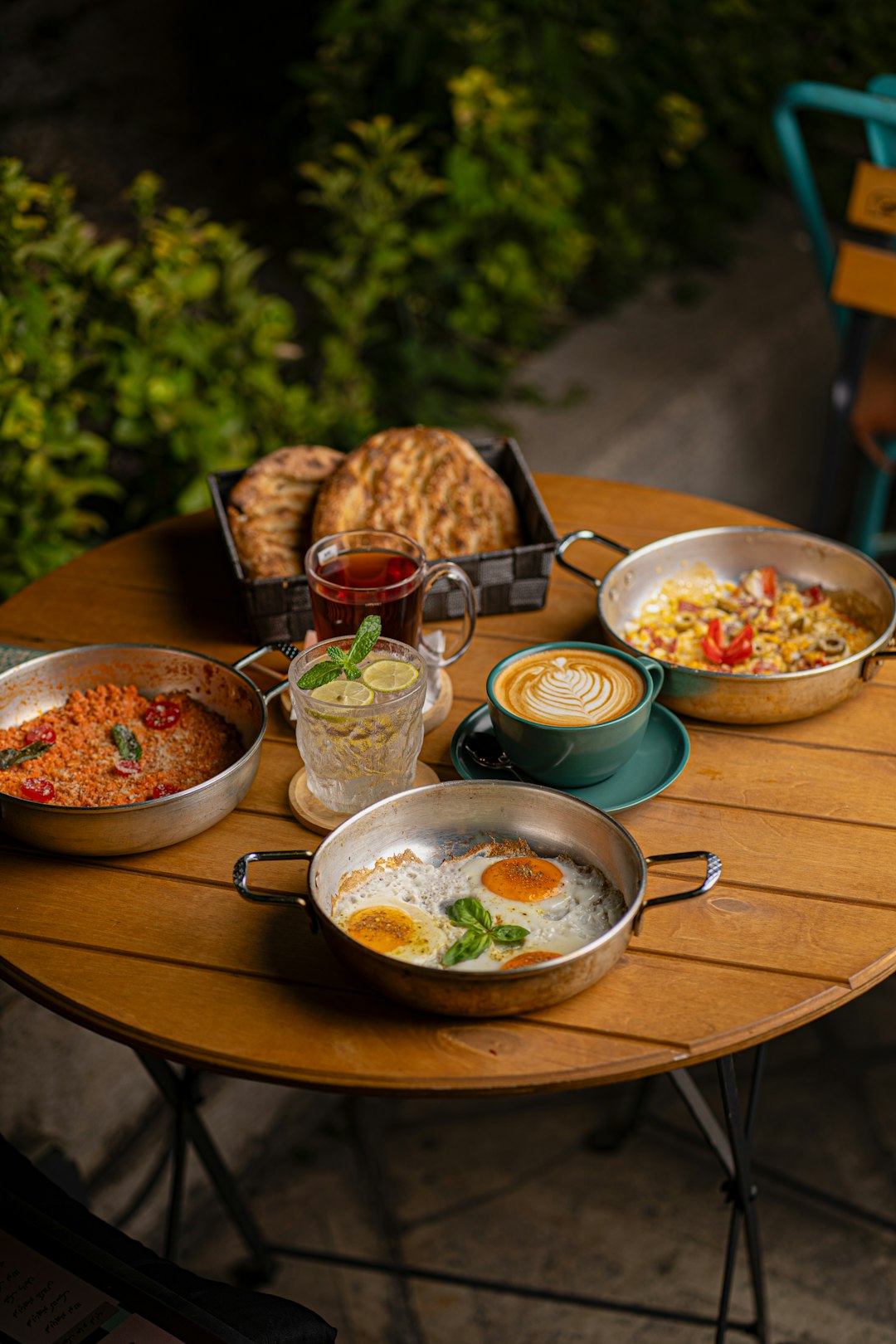
Food decisions go more smoothly when the group identifies its priorities before opening the menu. One guest may want a filling comfort-food plate, another may prefer something lighter, and a third may only want coffee. Those needs can coexist if nobody assumes the whole table has the same appetite. Guests with allergies or dietary restrictions should explain them directly to the server and ask what options can be accommodated. Cross-contact can occur when an allergen reaches food through shared utensils, surfaces, or equipment. A clear question is safer than relying on a broad label or assuming that an ingredient can simply be removed after preparation.
The restaurant can also suit a meal that stretches beyond the first plate. Cocktails may turn a quick brunch into a slower afternoon, but the group should discuss its schedule before adding another round. If everyone is hungry, ordering food first gives the table a practical starting point; drinks can follow once guests know how much time they have. Private events are a separate option for a birthday, work gathering, or other planned occasion, rather than a substitute for ordinary brunch seating. A coffee subscription is different again: it concerns an ongoing coffee purchase, not service at the table that day. Confirming which experience the group wants prevents mismatched expectations.
Consider three friends meeting before a 1:30 gallery appointment downtown. They can mention the departure time when they arrive, keep the order focused, and avoid promising themselves that the meal will take exactly an hour. Dining time includes being seated, reviewing the menu, ordering, waiting for preparation, eating, paying, and having the table cleared. A small birthday group without a fixed departure time has more flexibility and could ask about private-event arrangements rather than trying to fit a larger gathering into standard brunch seating. A quick note in the phone calendar with the appointment and party size can prevent rechecking the same details at the door.
Orchard Street is accessible from several Lower East Side routes, yet groups meeting from different neighborhoods may find a visible meeting point easier than having everyone search for the table separately. Arriving five or ten minutes early leaves room to confirm the reservation, update the host if the party has changed, and raise dietary questions before ordering. Check current hours and seating information before choosing a meeting time, since restaurant schedules can change. For a practical brunch lower east side plan, keep the reservation details available, use the accurate guest count, and tell the group whether speed, conversation, dietary flexibility, or a leisurely meal matters most.