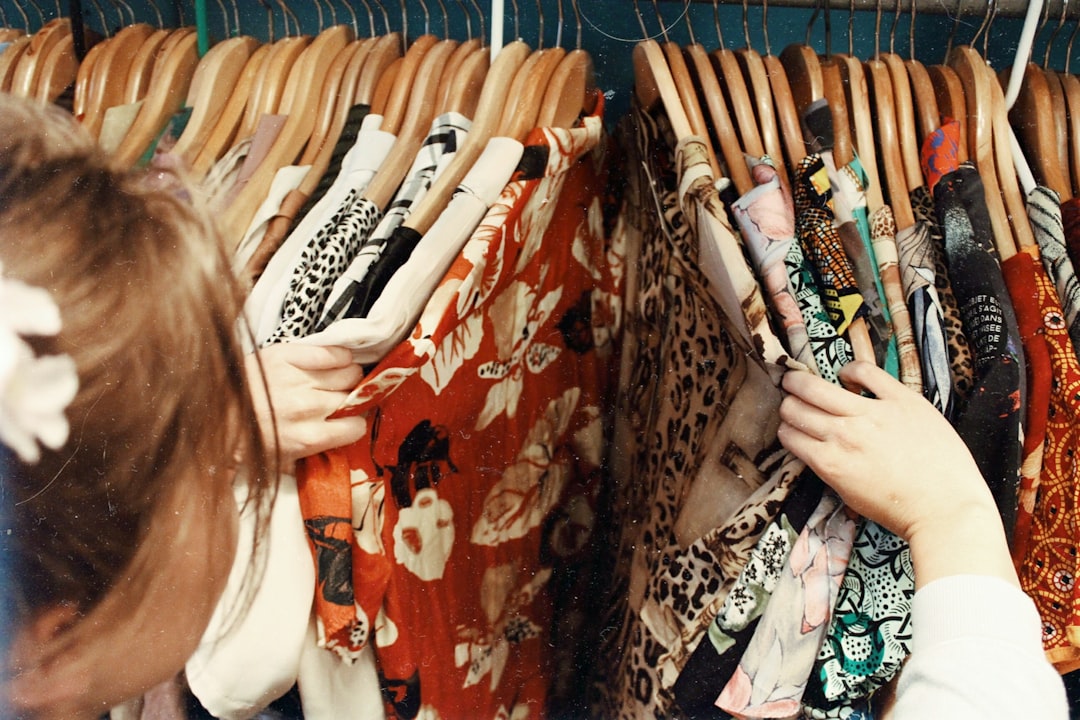

The recycling journey starts with sorting. Collected textiles must be carefully separated by type because mixing fibers complicates processing and lowers the quality of the new material. Sorting often involves manual inspection combined with automated systems that detect fabric blends. After sorting, textiles go through mechanical shredding or chemical treatments to separate fibers. Mechanical methods are common for cotton, while chemical recycling can handle synthetic blends more effectively. The reclaimed fibers are then spun into yarn ready for weaving new textiles.
People often believe recycling only works well with simple fabrics like cotton or polyester. That’s not the full picture. Advanced recycling plants can now process tougher materials such as nylon and various blends through specialized chemical processes that isolate and clean fibers. This flexibility means more types of textile waste can be diverted from landfill, broadening the scope of sustainable manufacturing.
Recycled fibers don’t just return to clothing production. Some companies use them for insulation in buildings or components in vehicle interiors. These alternative uses extend the life of materials and reduce reliance on virgin resources. For example, recycled polyester insulation can provide effective thermal protection while cutting down plastic waste. Such applications prove fiber-to-fiber recycling supports a circular economy by repurposing materials instead of letting them go to waste.
Input quality matters a lot in this work. Post-consumer clothing and scraps from factories serve as feedstock, but the condition and fiber mix impact the output’s durability and appearance. It’s common for recyclers to establish partnerships with local retailers and manufacturers to secure consistent, high-quality textile streams. Often, garments are inspected for contamination like dirt or mixed labels before processing to avoid defects in the final product.
Investment in dedicated recycling facilities is rising as demand grows. These sites use machines that can handle large quantities efficiently while limiting energy use and emissions. State-of-the-art sorting lines combine optical sensors and robotics to improve accuracy. Additionally, some plants incorporate water recycling systems to reduce consumption during chemical treatments. The result is a more environmentally responsible operation that can scale up production.
Closing the textile loop requires effort from everyone involved: consumers, brands, and recyclers alike. Consumers play their part by donating or recycling old clothes instead of tossing them out. This action creates a supply of recyclable material and signals to brands there is demand for sustainable options. Retailers can support this by providing collection points and educating shoppers about textile recycling benefits through clear communication.
Denine Pezone points out that community involvement is critical for progress here. Raising awareness about fiber-to-fiber recycling helps change attitudes and encourages people to participate. Having straightforward information available at stores or online can reduce confusion about what can be recycled and how. Small habits like checking garment tags or separating fabrics before donation can improve recycling results significantly. Together, these steps help transform textile waste from an environmental burden into a valuable resource.
Some businesses turn to textile recyclers to handle their excess fabric responsibly. These specialists have the knowledge and equipment to process complex materials efficiently. Consumers interested in supporting sustainable fashion might explore options for , which helps keep textiles out of landfills and promotes circular manufacturing.