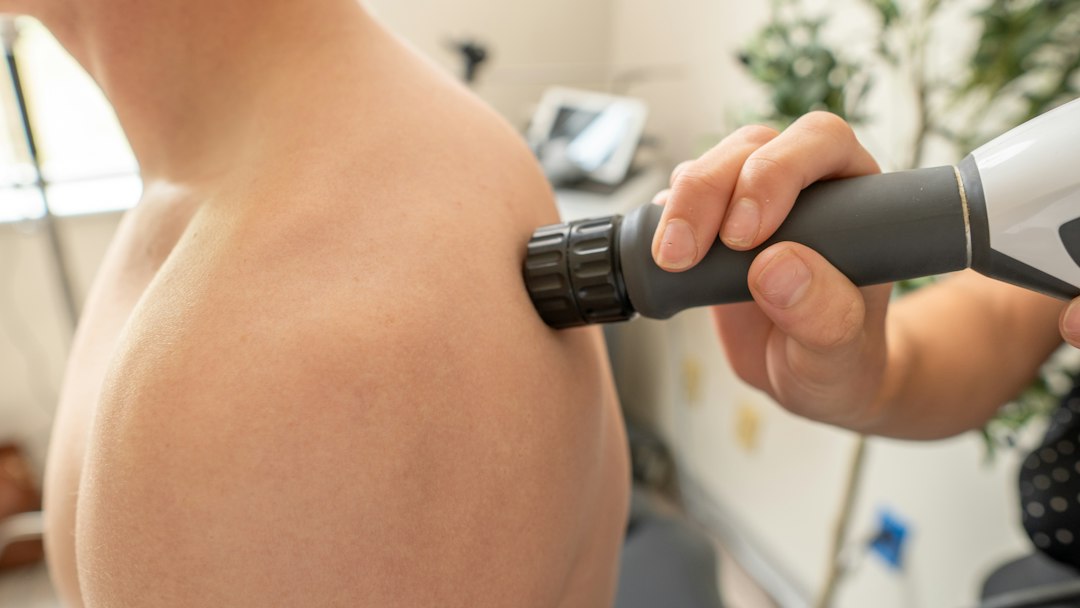

I see hamstring complaints handled in a similar way. A player may feel a sharp pull during a sprint, then walk normally and assume the issue has passed. Hamstring rehabilitation is not simply a matter of resting until the pain fades. The muscle needs to regain strength while lengthening under control, known as eccentric strength. This matters during high-speed running because the hamstrings must absorb force as the leg swings forwards. A sensible programme may begin with controlled exercises, then add running drills, acceleration and direction changes as tolerance improves.
Another common example is the forward who has sore ribs after repeated contact but no obvious fracture signs. Their breathing, trunk rotation and ability to brace against resistance can reveal more than a pain score alone. A physio may also check thoracic movement, which means the mobility of the mid-back, and rib cage expansion during breathing. These checks help separate soreness from a problem that needs medical review. Contact is then reintroduced in stages, rather than sending the player straight from a quiet week into full defensive drills.
Load management is one of the least glamorous but most useful parts of the work. Load means the stress placed on the body by training, matches, gym sessions and recovery demands. A player returning from an ankle sprain may cope with straight-line running but struggle after repeated changes of direction. The programme therefore adjusts volume, speed and complexity separately. Proprioception, the body’s sense of joint position, is also trained through balance and landing exercises. The aim is to make the ankle respond reliably when the player is tired, not only when standing on a clinic floor.
Knee pain often needs the same patient approach. A complaint around the kneecap can be influenced by hip strength, ankle movement, running volume and how quickly training has increased. That does not mean one exercise fixes every case. Assessment guides the choice between strengthening the quadriceps, improving control through the hip or modifying aggravating activities for a short period. Someone who can squat comfortably but develops pain after repeated acceleration may need a running progression, not an indefinite ban on all leg work. The details of the trigger are important.
Returning to play should be treated as a series of decisions rather than a single clearance moment. The player may first tolerate gym work, then non-contact skills, controlled team training and finally unpredictable contact. A return-to-play plan considers symptoms during the session, later that day and the following morning. Recovery response is useful information, although it is not a substitute for examination. For players seeking structured support, rugby league physio care can fit assessment, rehabilitation and sport-specific progression around the demands of their season.
Good treatment also includes communication. A player needs to know which discomfort is expected, which sign means stop and how to complete exercises correctly when travelling or training with the squad. Coaches may need a temporary adjustment to sprint volume, contact exposure or recovery time, while strength staff can help maintain fitness around the injured area. That shared plan is often more practical than a vague instruction to rest. Where further guidance is appropriate, sports physiotherapy support can help connect the immediate assessment with longer-term conditioning and a careful return to the demands of league.