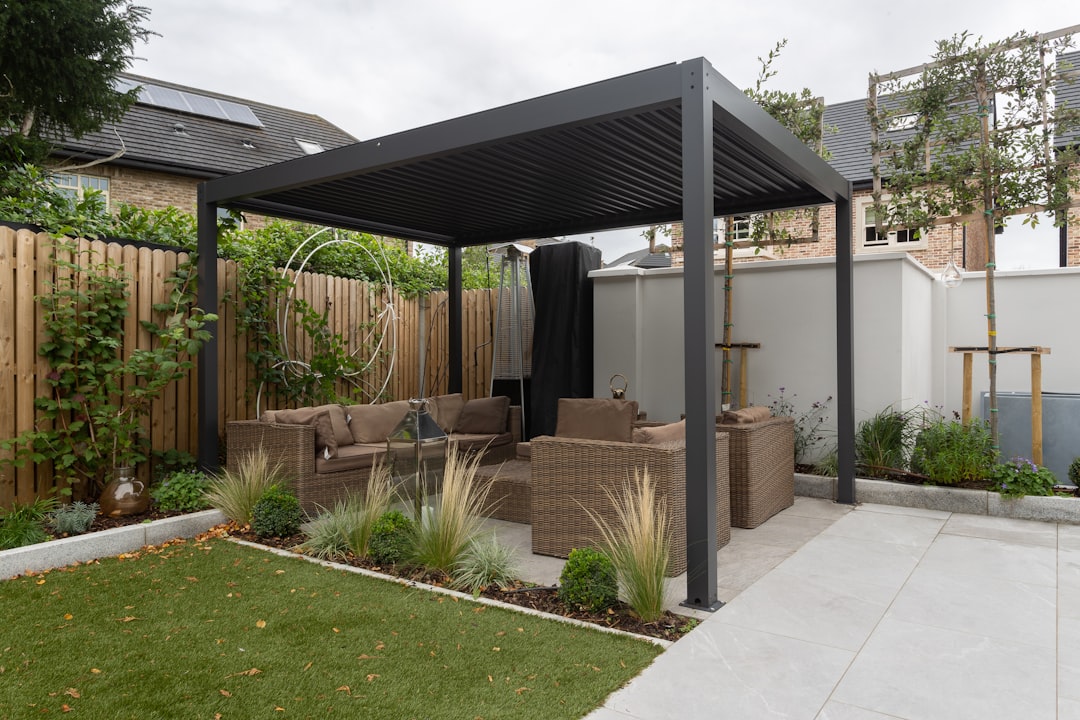
Warm days outdoors can quickly turn uncomfortable, especially when the air feels heavy and still. Business owners running outdoor events or managing spaces without fixed climate control often face this problem. Portable air conditioning units designed for outdoor use offer a straightforward way to cool down such areas. Beyond lowering the temperature, they improve airflow, making environments more bearable for guests and staff. These units are flexible enough to be moved around, so you can place them exactly where cooling is needed most.
Think about a summer wedding held in a large tent or a corporate gathering on a patio. Setting up portable air conditioners in these spots can keep things comfortable despite rising temperatures. Warehouses also benefit, especially when storing items sensitive to heat. Maintaining a stable temperature helps protect goods from damage and spoilage. It’s not unusual for operators to check temperature logs daily to avoid surprises that could affect product quality.
Ventilation air movers complement cooling by boosting airflow inside enclosed spaces. These machines push air around, which helps reduce moisture buildup and keeps the atmosphere fresher. In flood restoration or mold cleanup, using air movers speeds up drying by circulating air over wet surfaces. Professionals often position these devices strategically, adjusting placement as moisture levels change during the drying process.
Energy consumption is another factor to consider with portable air conditioners. Many modern models focus on efficiency, reducing electricity use while still providing effective cooling power. This balance matters for businesses aiming to cut costs without sacrificing comfort. Checking energy ratings and power requirements can help select units that fit both budget and operational needs.
Air quality also improves with some portable units that include filtration systems. These filters trap dust, allergens, and airborne pollutants, which is particularly beneficial in sensitive settings like clinics or homes with allergy sufferers. Regularly cleaning or replacing filters is a simple maintenance step that ensures the system runs smoothly and lasts longer. Neglecting this can lead to reduced airflow and higher operating costs.
For those working in carpet cleaning or flood restoration, adding portable outdoor air conditioning to their equipment lineup makes a noticeable difference. These units help dry floors quickly after water exposure and create a more tolerable workspace for technicians during long hours on site. Many operators keep a checklist handy to track which air movers have been deployed and their run times, helping to avoid overlap or missed spots.
When selecting portable cooling gear, size and mobility matter. Some models are compact and easy to move, ideal for temporary setups at events or construction sites where conditions change daily. Noise level is another consideration; quieter units are preferable in environments where conversations or presentations take place. Practitioners often test equipment beforehand to ensure it won’t disrupt activities.
Exploring different ways to manage airflow effectively can boost comfort and efficiency across various industries. Whether coordinating an outdoor event or running a manufacturing floor, investing in reliable ventilation and cooling equipment reduces downtime and creates better working conditions. For practical advice on improving air management, visit portable cooling options for outdoor spaces.