
Choosing the right menu can be equally tricky. Guests’ dietary needs vary, a guest might be vegetarian, another gluten-intolerant, while some prefer familiar comfort foods. Offering a range of options reduces complaints and shows you took their preferences seriously. For example, include at least one vegetarian entrée, a gluten-free side, and a mix of proteins. Avoid relying solely on one cuisine type; balance flavors and textures to keep appetites satisfied throughout the evening.
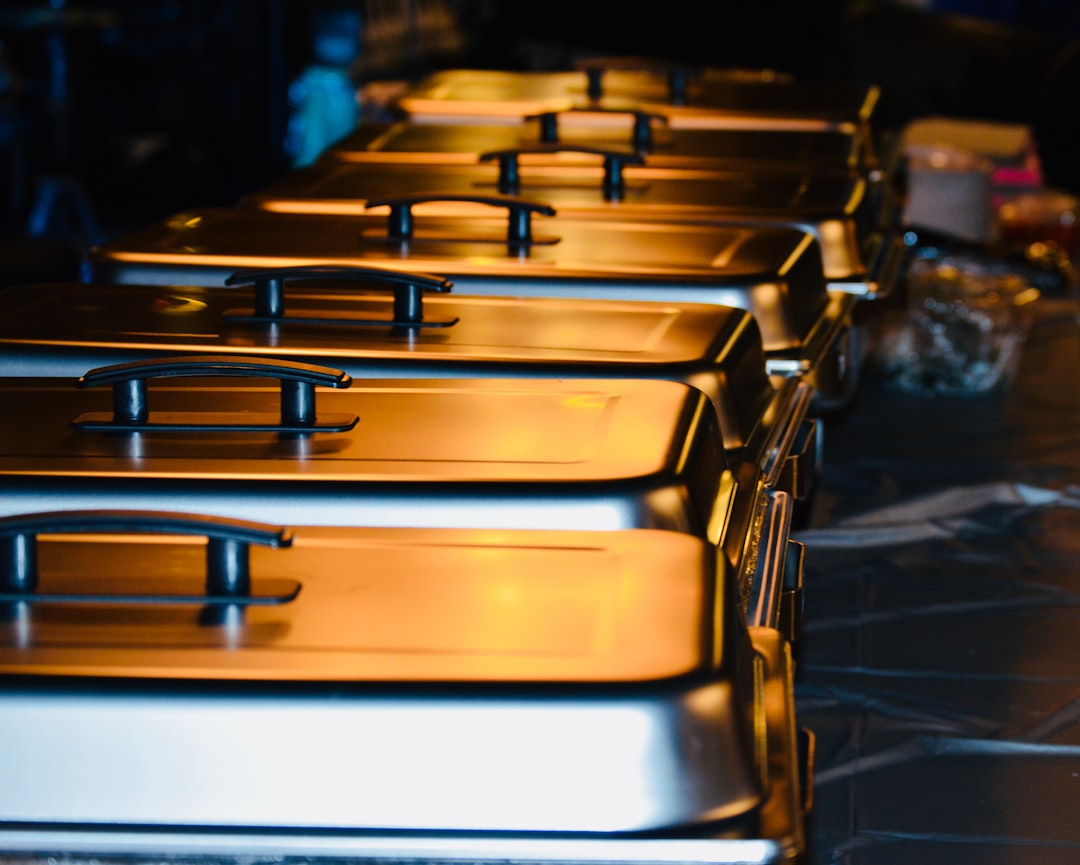
Timing food delivery and service requires careful coordination. Confirm exact delivery windows with your caterer and build in extra time for setup or unexpected delays. Hot dishes need to arrive hot, cold items chilled. Discuss with caterers how they’ll maintain temperature, chafing dishes, insulated containers, refrigerated trays. A common miscommunication is assuming caterers will handle all warming on site without confirming equipment availability. Clarifying these details beforehand prevents last-minute scrambling.
Buffet setups are popular for New Year’s parties but come with their own challenges. Ensure enough serving stations to avoid long lines; no one enjoys waiting while the party buzzes around them. Assign staff to monitor and replenish trays promptly; an empty dish looks unprofessional and frustrates guests. Position utensils, plates, and napkins logically to keep traffic flowing smoothly. Also, consider the space, crowding near food stations can stall the event’s momentum.
Local vendors can add unique flair to your event. For something different, explore new years catering options on luxury boats or rooftop venues that offer memorable settings beyond typical banquet halls. These spots often have specific rules about catering logistics, so early discussions with providers help avoid surprises about delivery access or setup restrictions.
Clear communication with your catering team is vital in the days leading up to the event. Establish a point person for updates and last-minute changes to avoid mixed messages. Regular check-ins are practical, confirm final headcount, menu tweaks, and timing details. It’s common for last-minute adjustments to arise from guests’ dietary disclosures or schedule shifts. Having a direct line to your caterer reduces stress and ensures everyone stays on the same page.
Keeping written notes during planning meetings helps prevent misunderstandings later on. A typical misstep is relying solely on verbal agreements, which can lead to discrepancies in what’s expected versus delivered. Documenting decisions like menu specifics, delivery times, and staffing assignments creates a reference point that holds all parties accountable.
Ultimately, preparation is what separates a chaotic event from one guests remember fondly for its food and atmosphere. Anticipate potential hiccups with extra servings, diverse menu choices, detailed timing plans, and consistent communication with caterers. If you feel overwhelmed, seek advice from those experienced in event catering logistics, it can save hours of headaches and keep the focus on celebrating the new year rather than fixing last-minute crises. For further insights, consider visiting special event catering ideas.