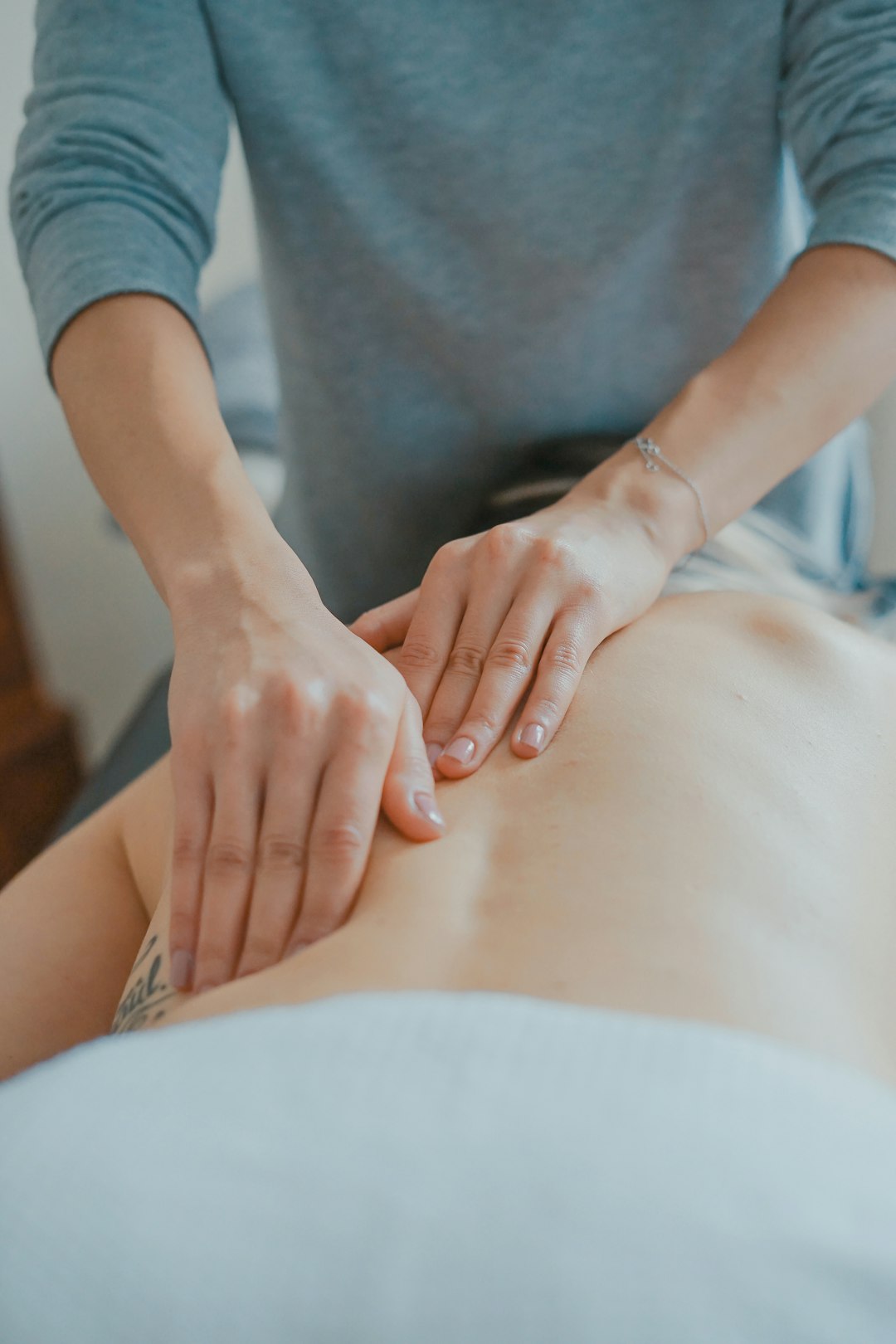

The lymphatic system consists of vessels and nodes that help return some excess fluid from body tissues and contribute to immune function. Lymph moves through a combination of body movement, muscle activity, breathing and pressure changes within the tissues. It does not have one central pump equivalent to the heart. Interstitial fluid is the fluid found between cells, and an accumulation of it can contribute to puffiness or a heavy sensation. Gentle manual techniques may encourage movement towards functioning lymphatic pathways, but they cannot guarantee a particular result or remove every cause of swelling.
Swelling needs medical attention before a wellness treatment if it appears suddenly, affects one side, becomes painful, feels hot or red, or has no clear explanation. Shortness of breath, chest pain or sudden deterioration requires urgent medical care rather than massage or compression. A person with a diagnosed condition should also ask their treating clinician whether a particular treatment is suitable. Possible infection, an active clot, serious heart or kidney disease and recent surgery may affect the decision. Compression should support an appropriate plan, not stand in for diagnosis or prescribed care.
A practitioner will usually ask when the symptoms began, whether they worsen after sitting or standing, and whether movement changes how the area feels. They may ask about medicines, injuries, operations and previous swelling. These questions are not paperwork for its own sake; they help identify reasons to modify, postpone or avoid treatment. The client should be told whether the appointment involves hands-on work, a device or both. During a session, pressure should remain tolerable, and the practitioner should explain how to signal discomfort, dizziness, pain or the need to stop.
Some Sydney clinics offer pneumatic compression instead of, or alongside, manual work. The Slimyonik system referenced for Mosman uses a body suit with air chambers that inflate in sections, creating changing pressure rather than one fixed squeeze. The treatment description lists a 45-minute session and pricing from $90, but those details can change. Anyone considering the service should confirm the current fee, appointment length, included areas and screening process directly with the clinic. An overview of the treatment is available through lymphatic drainage sydney.
Preparation is simple but useful. Before leaving home, a client can check their medication list and write down the date a symptom began, recent operations, relevant diagnoses and any change in skin colour or temperature. Wearing comfortable clothing may make changing easier, while arriving well hydrated according to personal medical advice can be more practical than trying to compensate afterwards. The practitioner should describe the suit before putting it on, check the fit and adjust pressure gradually. A person who feels light-headed or develops pain should say so immediately instead of waiting for the session to finish.
Expectations also affect how a treatment is judged. Someone who has been sitting more than usual may feel better after gentle movement, a relaxed walk or a change of position, but that response does not prove that a machine or massage has corrected the underlying issue. Planning a hard workout immediately after an unfamiliar session may be unhelpful, especially if the person already feels tired or sore. Rest, sleep, ordinary movement and clinician-approved fluid intake can influence symptoms. One appointment cannot establish why persistent oedema is present, and an immediate dramatic sensation is not a reliable measure of benefit.
Before booking, ask whether the service is manual, pneumatic or combined with another offering, such as molecular hydrogen therapy, and what evidence or purpose the clinic assigns to each component. It is reasonable to request the cancellation terms, treatment duration, pressure-adjustment process and aftercare instructions in writing. Details about lymphatic care in mosman can be reviewed alongside practitioner qualifications, health screening and clear contact information. A careful intake, a comfortable pressure level and a plan for medical review are more useful safeguards than selecting the strongest treatment available.