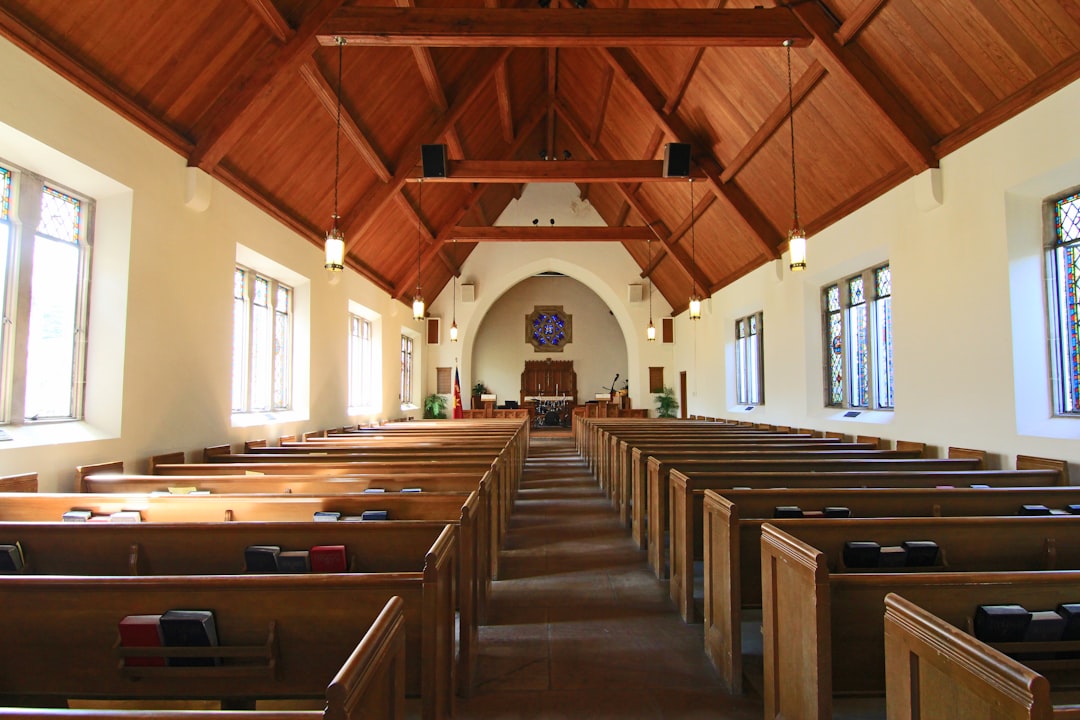
Step into a church at dusk and the right lighting can transform the atmosphere. Instead of harsh, glaring fixtures, a thoughtful approach uses light to reveal the beauty of stained glass windows and architectural details without overwhelming them. Poorly planned lighting often results in washed-out features or shadowy areas that feel cold and uninviting. Effective church lighting balances illumination and shadows, creating an environment that invites reflection and connection.
Harsh fluorescent lights are a common misstep, producing an uncomfortable glare that distracts from worship. Layering different light sources changes the perception of space. Ambient lights set a gentle base, while accent lights like LED spotlights highlight altars or artwork. Task lighting near seating areas helps people read hymnals comfortably. This mix not only improves functionality but adds warmth and depth.
Colour temperature matters more than many realise. Cool white lights can feel sterile and distant, which is counterproductive in a setting meant to foster community. Warm white lights, between 2700K and 3000K, create a softer, intimate glow that enhances the sacred feel. Dimmable fixtures provide flexibility for various services, from vibrant celebrations to quiet prayer, adjusting the mood without rewiring or changing bulbs.
Natural light is often overlooked in lighting plans. Many churches have stunning windows that flood the space with daylight. Blocking or ignoring these sources wastes potential and drives up energy use. Using daylight sensors alongside artificial fixtures helps maintain balance throughout the day. This approach respects the building’s original design and cuts unnecessary electricity costs.
Jim Lang’s project at St Andrews & St Cuthman in Steyning shows how assessing the interaction between light and church surfaces can guide better decisions. He combined modern LEDs with traditional aesthetics, crafting a system that respects history but meets contemporary needs. Not every fixture needs to be new; sometimes repositioning existing lights solves glare or shadow issues without extra expense.
Choosing lighting also involves practical steps that professionals know well. For example, checking wiring diagrams against the building’s layout ensures no surprises during installation. Communication between designers, electricians, and church staff prevents misunderstandings about control systems or switch locations. Small habits like documenting fixture types and their settings help avoid repeated adjustments post-installation.
Consulting with specialists can make a noticeable difference. They bring experience in handling older buildings where wiring and mounting options are limited. They’ll ensure safety codes are met and suggest equipment suited to the church’s usage patterns. For tailored advice on church lighting, working with knowledgeable professionals can save time and money.
Smart lighting technology is increasingly relevant in churches. Automated controls let you program scenes for different parts of a service or event without manual intervention. You can shift from bright settings for readings to dimmed moods for meditation at the touch of a button. This tech also allows remote control and monitoring, which helps facility managers manage energy consumption efficiently while enhancing congregants’ experience.
Focus on these practical elements to create a lighting layout that complements your congregation’s spirit. Thoughtful planning, attention to colour temperature, integration of natural light, and smart controls work together to produce a setting that uplifts everyone who enters. For more details on improving your church’s ambiance through tailored options, you might want to find advice on church lighting setups.