
Luxury interior design captures the essence of opulence and elegance, transforming ordinary spaces into extraordinary experiences. This design style harmonizes aesthetics with functionality, creating environments that are not only visually stunning but also supremely comfortable. The art of luxury interior design involves a thoughtful selection of high-quality materials, intricate detailing, and a carefully curated palette of colors and textures. It is about crafting spaces that reflect the personality and lifestyle of the inhabitants while offering a sense of exclusivity and sophistication.
At its core, luxury interior design emphasizes the importance of personalization. Each project is a unique journey, starting from understanding the client’s vision and aspirations. This process often involves an exploration of various design elements, such as customized furniture, bespoke lighting, and exclusive art pieces. These elements are meticulously selected to create a cohesive and harmonious environment. Designers often collaborate with artisans and craftsmen to ensure that every detail is executed to perfection, resulting in a space that is both luxurious and inviting.
A key component of luxury interior design is the use of high-end materials. From rare marbles and exotic woods to sumptuous fabrics and precious metals, these materials are chosen for their quality and beauty. The integration of these materials plays a crucial role in defining the character of the space. For instance, a lavish living room might feature a stunning marble fireplace as a focal point, complemented by plush velvet seating and gleaming brass accents. The choice of materials not only enhances the aesthetic appeal but also contributes to the overall ambiance of the space.
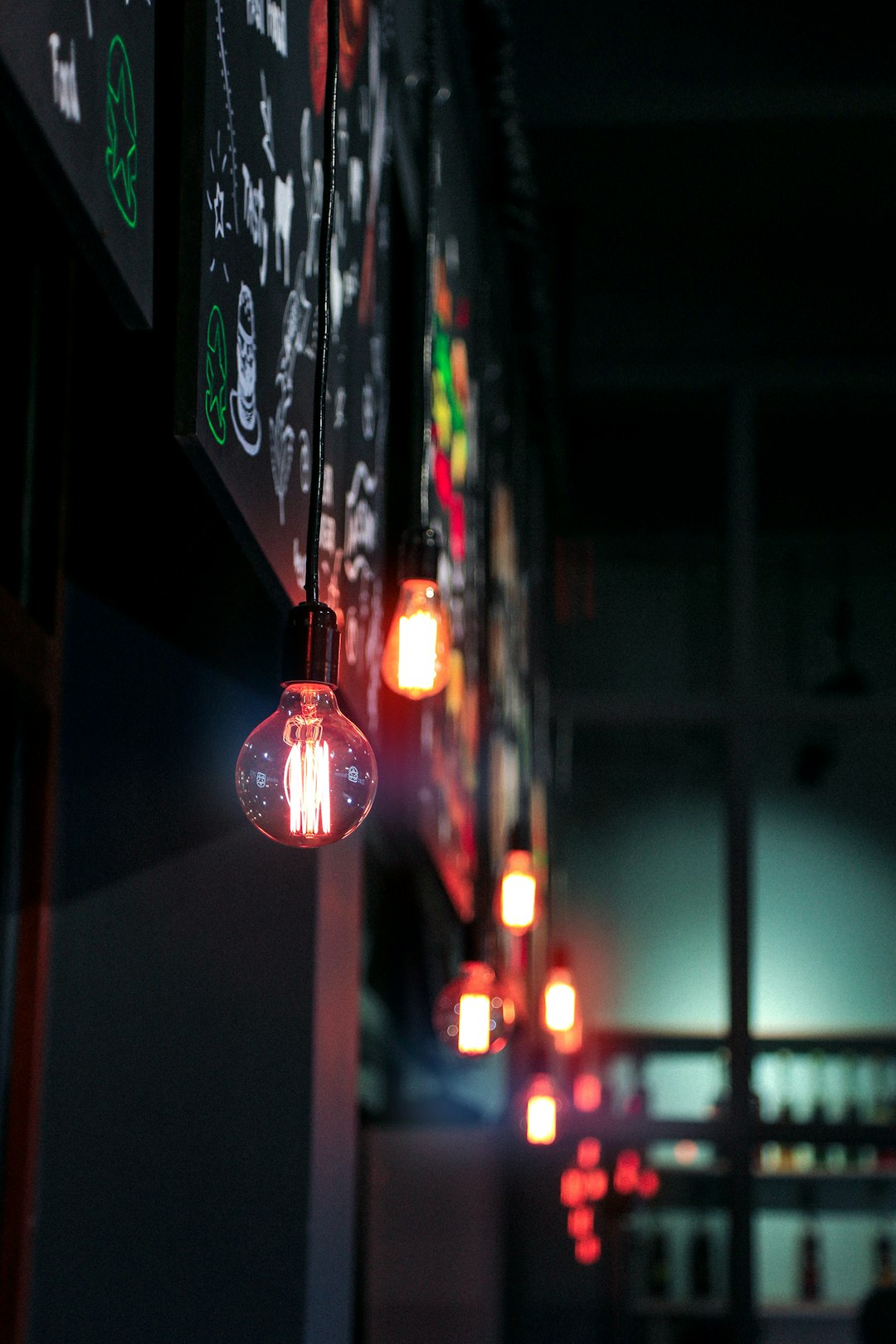
Lighting is another essential element in luxury interior design. It sets the mood and highlights the architectural features and design elements within a space. Designers often employ a combination of natural and artificial lighting to achieve the desired effect. Statement chandeliers, elegant sconces, and strategically placed lamps are used to create layers of light, adding depth and drama to the interiors. Proper lighting can transform a space, making it feel both warm and inviting or sleek and modern, depending on the client’s preference.
In addition to materials and lighting, the layout and flow of a space are crucial in luxury interior design. The arrangement of furniture and decor should facilitate movement and interaction, creating a sense of balance and proportion. Open floor plans are commonly used to enhance the sense of spaciousness, while strategic placement of walls and partitions can define different areas within a larger room. The ultimate goal is to create a seamless transition between spaces, allowing for both privacy and socialization.
For those interested in exploring the possibilities of luxury interior design, it is important to work with professionals who have a keen eye for detail and a deep understanding of the intricacies involved. One such expert in the field is Stefanie Stein, whose work exemplifies the principles of luxury interior design. Her projects showcase a harmonious blend of contemporary style and timeless elegance, tailored to meet the specific needs and desires of her clients.
Collaboration with a skilled designer can help bring a vision to life, ensuring that every aspect of the design is executed with precision and care. Whether it’s a complete home renovation or the redesign of a single room, the process of creating a luxurious interior should be a rewarding and enjoyable experience. For more inspiration and insights into the world of luxury interior design, visit the website of Stefanie Stein, where you can explore her portfolio and learn more about her approach to crafting exquisite spaces.