
Read a menu by its structure rather than by its most inventive title. The base spirit supplies the drink’s central character: tequila and mezcal may suggest pepper, citrus, smoke, or earth, while rum can bring caramel or tropical notes. Gin tends toward herbal or floral flavors, and whiskey often contributes spice and oak. If you are researching the best cocktails in los angeles, ask whether the drink is spirit-forward or lengthened with soda, juice, or sparkling wine. That distinction tells you more about the experience than a clever name does.
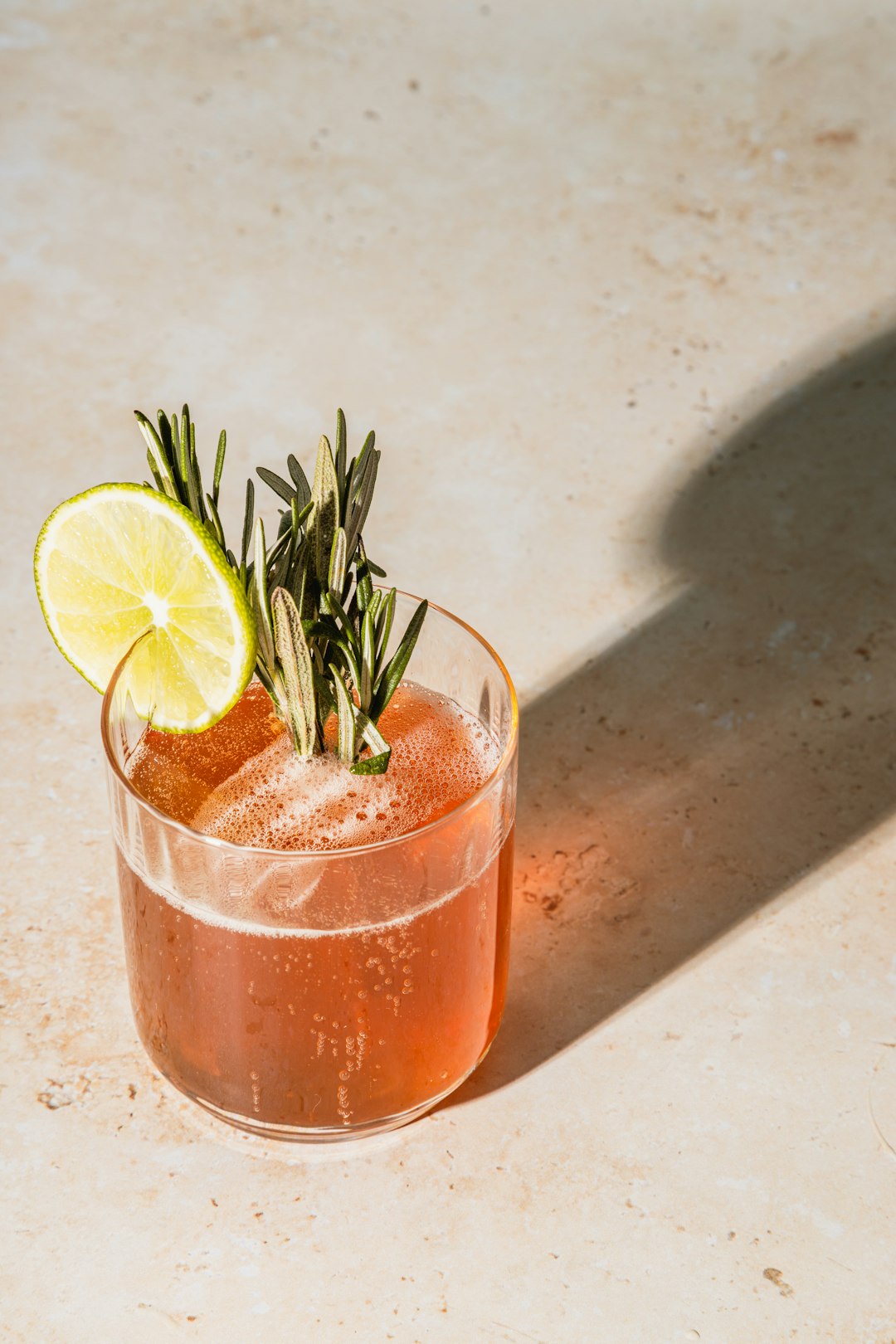
Suppose the evening is warm and you want a refreshing drink without a sticky finish. A highball, which uses a generous amount of soda or another mixer, can provide lift without relying on extra sweetness. A sour usually combines spirit, citrus, and a sweetener, so the balance matters. Lime can sharpen a drink, while agave syrup gives sweetness a rounder quality. If chili, ginger, or salt appears on the menu, ask how prominent it is. Those ingredients can support fruit and citrus, but too much heat or salinity can cover the base spirit and fatigue your palate.
Texture gives you another useful way to compare drinks. Shaking with ice chills quickly and adds aeration, meaning a softer, sometimes lightly frothy feel. Stirring chills and dilutes without creating the same airy texture, which suits whiskey, gin, or aged tequila cocktails built around clarity. Dilution is simply water released as ice melts, and it helps flavors integrate rather than signaling poor preparation. You can request less dilution, but the result may taste hotter and less settled. On a first visit, the house method is a sensible baseline before asking for changes.
Food should guide the order as much as personal taste. Rich dishes often benefit from acidity, bitterness, or bubbles that refresh the mouth between bites. Spicy food may pair well with citrus, modest sweetness, or cooling herbal notes, whereas a high-alcohol drink can make chili feel more forceful. For a table sharing several plates, choose contrasting profiles instead of four nearly identical cocktails. A smoky mezcal drink may fit grilled flavors, while a crisp tequila highball can reset the palate. For mexican-inspired tequila drinks, compare the mixer and garnish as carefully as the tequila itself.
Strength is worth checking before ordering a second round. Alcohol by volume, or ABV, describes the alcohol percentage in the beverage before serving size and dilution are considered. A short stirred cocktail can feel stronger than a tall drink with a similar pour because the latter contains more mixer and melted ice. If you are driving, arrange a sober driver or use a ride service, and alternate drinks with water and food. Anyone visiting two bars can choose a smaller or lower-strength option at the second stop instead of repeating the first order automatically.
A bartender can usually make the decision easier if you offer useful information. Name a spirit you enjoy, describe your preferred sweetness or bitterness, and mention one flavor you dislike. Saying you want a dry, citrusy tequila drink is more helpful than asking for whatever is popular. Keep a note on your phone of drinks that worked, including the base spirit, preparation, garnish, and texture. If a cocktail tastes too sweet, ask whether an adjustment is possible, while allowing that a balanced recipe may simply be less familiar than your usual order.