Church lighting plays a crucial role in both the aesthetic and functional aspects of religious architecture. Whether in a centuries-old cathedral or a modern worship hall, the lighting must serve multiple purposes: illuminating sacred rituals, highlighting architectural beauty, and creating an atmosphere conducive to reflection and reverence. Achieving this balance requires a thoughtful approach that respects the building’s heritage while incorporating modern technology for efficiency and control.
One of the primary challenges in church lighting lies in working with historic structures. Many churches are listed buildings, and any modifications must adhere to strict conservation guidelines. This means lighting designers must work sensitively, often hiding fixtures or using existing mounting points to avoid altering the fabric of the building. The goal is to enhance the space without detracting from its original features. Lighting must also be adaptable, supporting both the grandeur of ceremonial events and the intimacy of daily services.
Modern systems allow for this level of adaptability. Intelligent lighting controls can adjust the brightness and focus of individual fixtures, enabling the same church to host a vibrant concert one evening and a quiet prayer service the next. This flexibility not only improves the experience for congregants but also supports the multifunctional use of the space. In many cases, a bespoke church lighting design is developed to suit the unique requirements of each building, taking into account architectural details, usage patterns, and historical significance.
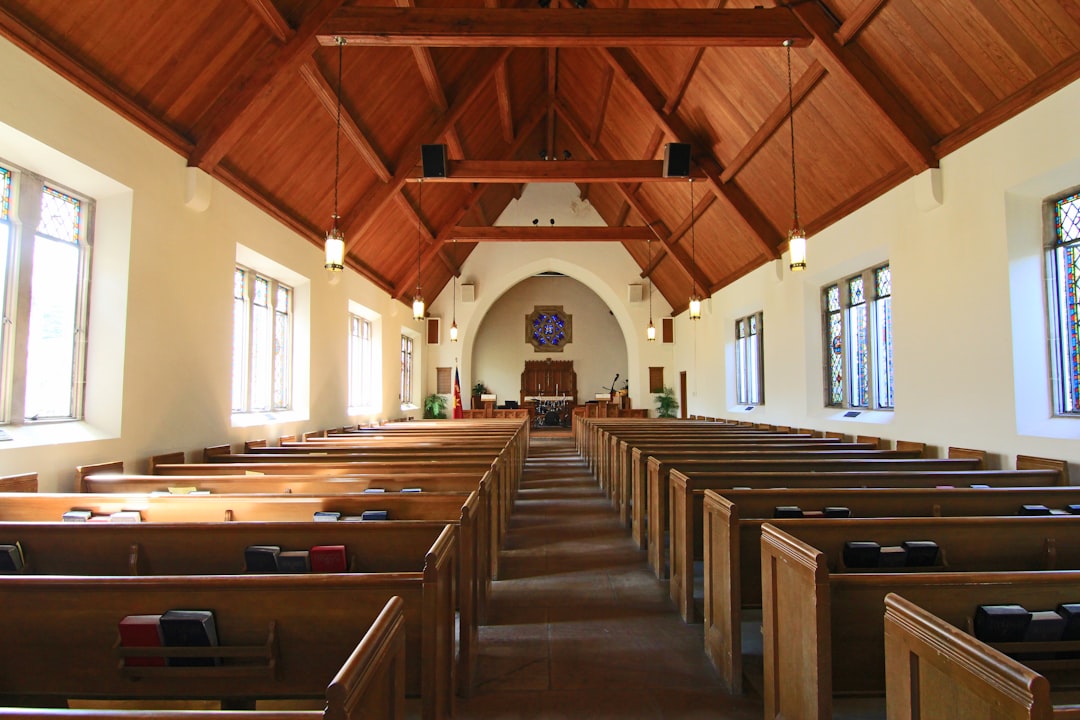
Lighting also plays an important visual role. Strategically placed uplighting can draw attention to vaulted ceilings and intricate stonework, while downlights can accentuate altars, pulpits, and other focal points. Colour temperature is another key consideration. Warmer tones tend to complement traditional materials like wood and stone, creating a welcoming and serene environment. In contrast, cooler tones may be used to enhance modern interior elements or to differentiate between various zones within the building.
Energy efficiency is another significant factor. Many older churches still rely on outdated lighting systems that consume high amounts of electricity and require regular maintenance. Upgrading to LED technology not only reduces energy consumption but also extends the lifespan of the fixtures. This is particularly important in buildings with high ceilings, where changing a bulb can be a complex and costly task. Additionally, energy-efficient lighting aligns with the broader environmental goals of many religious organisations.
The integration of lighting systems with other technologies is becoming increasingly common. For example, lighting can be synchronised with audio systems, projection equipment, and even heating controls to streamline operations. This level of integration enhances the user experience and simplifies the management of large events. Moreover, remote monitoring capabilities allow for adjustments to be made without the need for on-site personnel, which is especially beneficial for churches with limited staff.
Another consideration is accessibility. Thoughtful lighting design can improve navigation within the church, particularly for elderly or visually impaired visitors. Illuminated pathways, clearly lit signage, and well-lit entrances all contribute to a safer and more inclusive environment. This aspect of design is often overlooked but is essential for ensuring that everyone can participate fully in church life.
Beyond the practical and aesthetic aspects, lighting also carries symbolic meaning. Light has deep spiritual significance in many religious traditions, representing guidance, hope, and the divine. Effective lighting design can amplify this symbolism, creating moments of awe and introspection that enhance the spiritual experience. For instance, the gradual dimming of lights during a candlelit service can heighten the sense of devotion and communal focus.
Selecting the right lighting solution requires collaboration between church leaders, architects, and lighting specialists. Each project presents unique challenges and opportunities, and a bespoke approach ensures that the final result honours the building’s heritage while meeting contemporary needs. From initial consultation to final installation, attention to detail is key.
For those looking to explore professional assistance in developing suitable lighting schemes, it’s worth considering a provider with a deep understanding of both heritage constraints and modern lighting techniques. You can learn more about tailored solutions and services on their lighting project portfolio.
In conclusion, church lighting is far more than a technical necessity. It is an integral part of the worship experience, contributing to the beauty, functionality, and spiritual resonance of the space. As technology advances and the needs of congregations evolve, lighting design will continue to play a pivotal role in shaping the atmosphere within these cherished buildings.