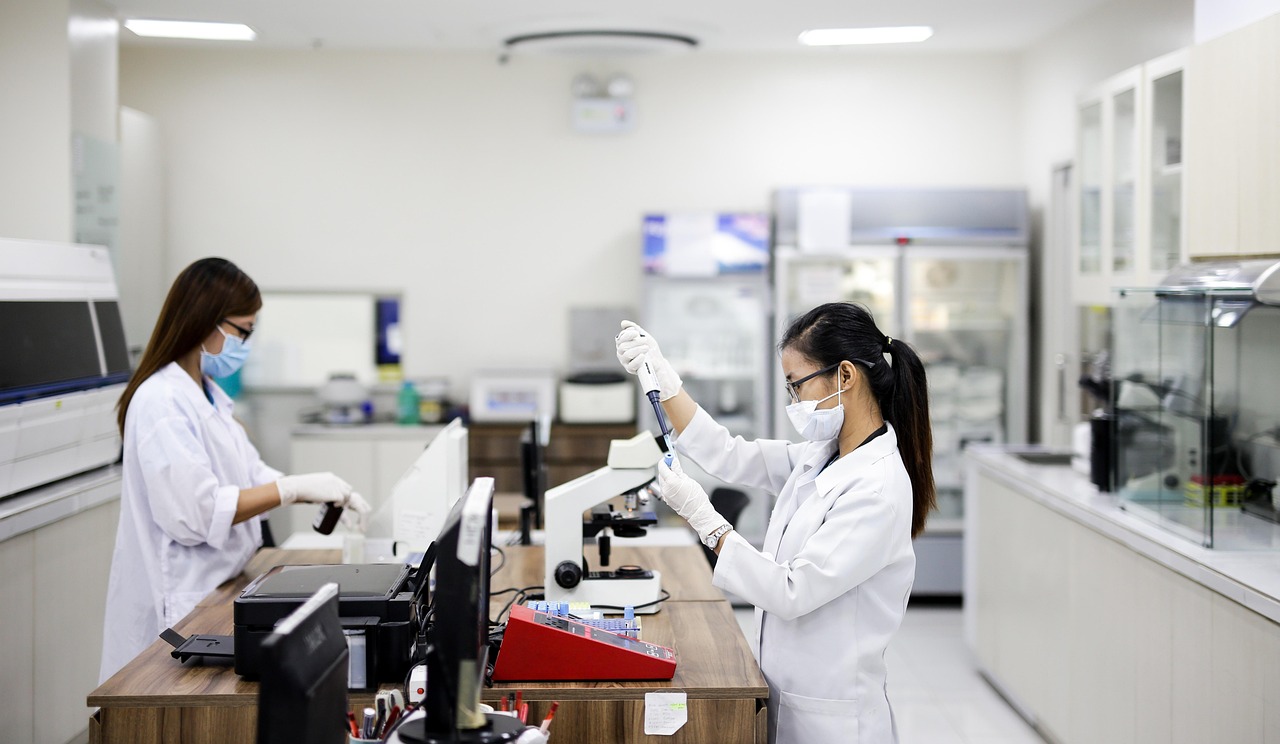
Biomedical equipment technology plays a vital role in modern healthcare by ensuring that diagnostic, therapeutic, and monitoring devices function safely and effectively. This specialized field combines engineering principles with medical sciences, focusing on the design, maintenance, and repair of healthcare equipment used in hospitals, clinics, and laboratories. Without the expertise of biomedical equipment technicians and engineers, the reliability and accuracy of countless medical procedures could be compromised.
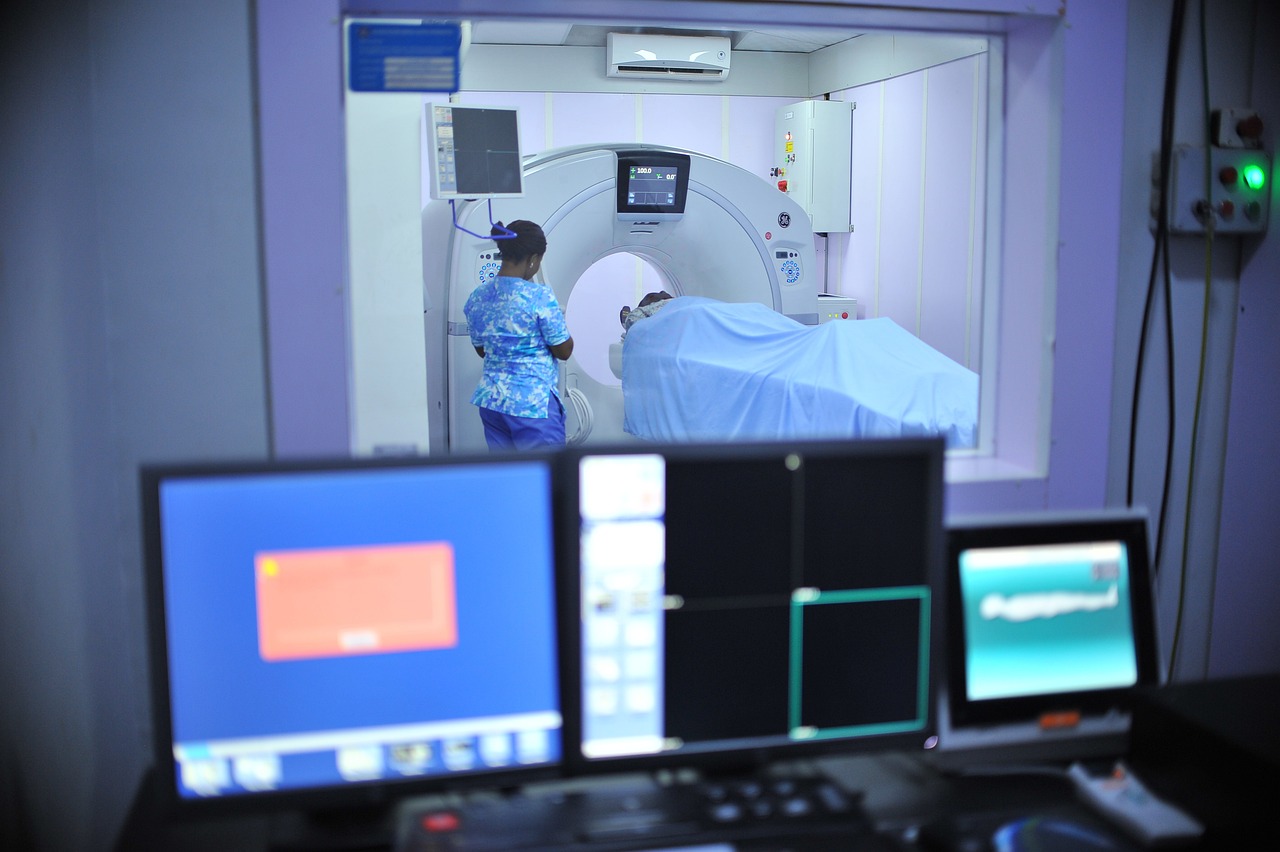
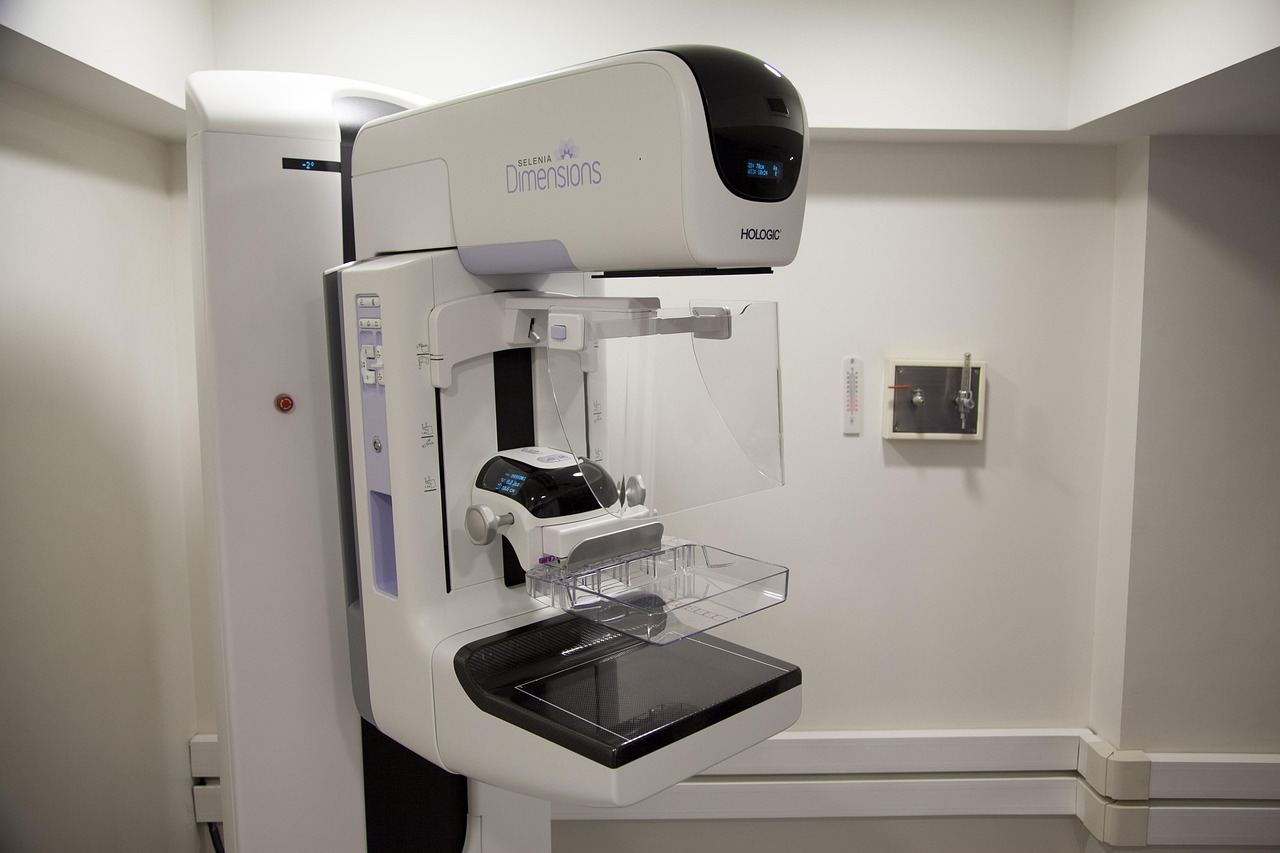
The scope of this field is broad and constantly evolving. Professionals in biomedical equipment technology work with a wide range of devices, from basic infusion pumps to advanced imaging systems like MRI machines. They are responsible not only for repairing equipment when it fails but also for conducting preventative maintenance, calibrating sensitive instruments, and ensuring compliance with safety regulations. Their work helps healthcare providers deliver high-quality patient care by minimizing downtime and maximizing equipment performance.
As medical devices become more advanced and interconnected, the demand for skilled biomedical equipment professionals continues to grow. Many modern devices now incorporate software, wireless connectivity, and data integration features that require an additional layer of technical knowledge. This convergence of healthcare and information technology means that today’s biomedical technicians must be proficient not only in mechanics and electronics but also in cybersecurity and network systems. These interdisciplinary skills are critical in preventing data breaches, maintaining patient confidentiality, and ensuring the seamless operation of hospital systems.
The importance of proper training and certification in this field cannot be overstated. Technicians typically undergo rigorous education programs that include coursework in electronics, physiology, and medical instrumentation. Many also pursue certifications that validate their expertise and dedication to the profession. These credentials not only improve job prospects but also assure employers and patients that the equipment is being maintained by qualified personnel. Continual professional development is essential as new technologies and regulations emerge.
Hospitals and healthcare systems often rely on third-party service providers to manage their equipment maintenance needs. Outsourcing to specialists in biomedical equipment technology allows healthcare facilities to focus on patient care while ensuring their devices are maintained according to industry standards. These providers offer scalable solutions, from on-site support staff to remote diagnostics, helping institutions manage operational costs without sacrificing performance or safety.
In addition to technical maintenance, biomedical equipment professionals play a key role in equipment lifecycle management. This includes selecting appropriate devices, overseeing installation, tracking performance over time, and eventually coordinating safe disposal or recycling. Effective lifecycle management not only ensures the optimal function of medical equipment but also aligns with sustainability goals and regulatory compliance.
The integration of artificial intelligence and machine learning into medical devices is another development transforming the field. Predictive maintenance algorithms can now identify potential equipment failures before they occur, reducing downtime and preventing disruption to patient care. Technicians must stay current with these advancements to interpret data inputs and respond proactively. As devices become smarter, so must the professionals who service them.
Advances in biomedical technology also have global implications. In developing countries, access to trained technicians and reliable equipment can significantly enhance healthcare delivery. International organizations and partnerships are working to provide training and resources in underserved regions, recognizing that the availability of functioning medical devices is foundational to effective healthcare.
With the increasing complexity of medical systems, collaboration between clinical staff and technical teams has never been more important. Biomedical equipment professionals often serve as the bridge between these two groups, translating clinical needs into technical solutions and ensuring that equipment supports rather than hinders medical workflows. Their insights are invaluable in procurement decisions, system integration, and workflow optimization.
As healthcare continues to evolve, so too does the role of biomedical equipment technology. It remains a cornerstone of patient safety, operational efficiency, and clinical effectiveness. For those interested in joining or partnering with this essential field, investing in the right expertise and support systems is key. More information on how healthcare organizations can optimize their equipment services can be found through medical technology support solutions that align with both clinical and operational goals.